
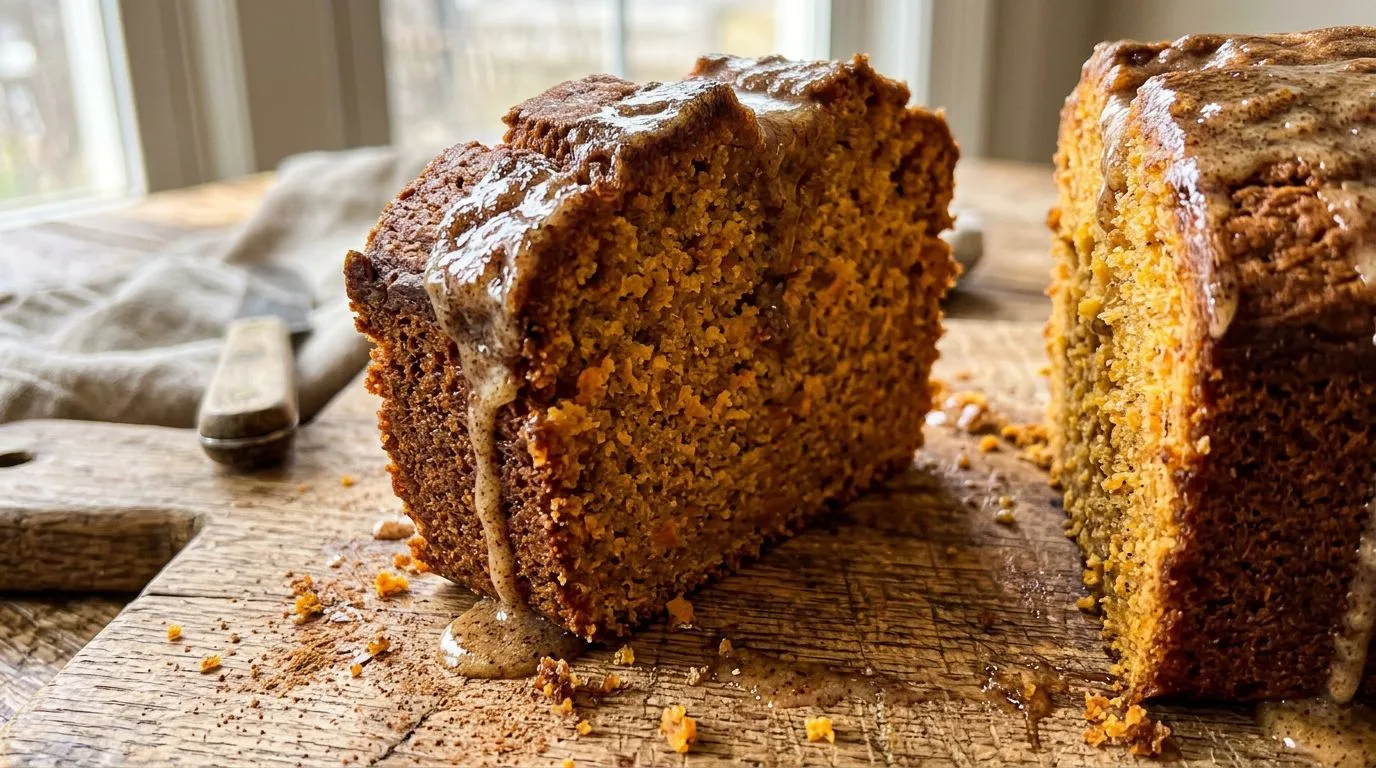
There’s something wonderfully comforting about a classic pound cake, and when you add the natural sweetness and moisture of sweet potato, you elevate it to something truly special. This sweet potato pound cake combines the dense, buttery texture of traditional pound cake with warm spices and the subtle earthiness of sweet potato, all topped with a luxurious brown butter glaze that adds nutty richness to every slice.
I love how this cake bridges the gap between everyday dessert and special occasion showstopper. The sweet potato keeps the crumb incredibly moist for days, while the brown butter glaze adds a sophisticated finish that makes this Bundt cake feel elegant enough for holiday gatherings. Whether you’re looking for a Thanksgiving dessert alternative or simply want to bake something cozy for fall, this recipe delivers on flavor, texture, and visual appeal.
The beauty of this sweet potato pound cake lies in its versatility. It’s equally at home on a dessert table alongside pies and tarts or served as a sweet breakfast treat with your morning coffee. The warm spices—cinnamon and nutmeg—complement the sweet potato perfectly without overwhelming its natural flavor, creating a cake that tastes like autumn in every bite.
Why You’ll Love This Sweet Potato Pound Cake
This recipe has become one of my favorite ways to use sweet potatoes beyond the usual casseroles and pies. The sweet potato adds incredible moisture to the cake, ensuring it stays tender and fresh for several days—a quality that makes it perfect for baking ahead for gatherings or enjoying throughout the week.
The brown butter glaze is what truly sets this cake apart. I find that taking the extra few minutes to brown the butter creates a depth of flavor that a simple powdered sugar glaze just can’t match. The nutty, caramelized notes complement the sweet potato beautifully and add a touch of sophistication to this homestyle dessert.
I also appreciate how forgiving this recipe is. The combination of baking powder and baking soda ensures a reliable rise, while the sour cream adds tanginess and helps create that classic pound cake texture. Even if you’re new to Bundt cakes, the straightforward method makes this an approachable project with impressive results.
This cake is also wonderfully aromatic while baking. The combination of sweet potato, warm spices, and butter fills your kitchen with the most inviting scent—one that will have everyone asking when they can have a slice.
Ingredients and Substitutions
The ingredient list for this sweet potato pound cake is straightforward, using pantry staples along with cooked sweet potato. I recommend using freshly baked or boiled sweet potatoes rather than canned, as you’ll have better control over the texture and moisture content. Make sure your mashed sweet potato is completely cooled before adding it to the batter to prevent the butter from melting prematurely.
For the flour, standard all-purpose flour works perfectly. I don’t recommend substituting with whole wheat or alternative flours, as they’ll change the classic pound cake texture significantly. The combination of baking powder and baking soda provides the right amount of lift while maintaining that dense, tender crumb characteristic of pound cakes.
Both granulated and light brown sugar play important roles in this recipe. The granulated sugar provides sweetness and helps create structure, while the brown sugar adds moisture and a subtle molasses flavor that complements the sweet potato. If you only have one type of sugar on hand, you can use all granulated sugar, though you’ll lose some of the depth of flavor.
Sour cream is my preferred dairy addition because it adds tanginess and helps tenderize the crumb. You can substitute with full-fat Greek yogurt if needed, though I find sour cream provides a slightly richer result. Avoid using low-fat versions, as the fat content is important for the cake’s texture.
The spices—cinnamon and nutmeg—are essential for bringing warmth to the cake. I like this combination because it enhances the sweet potato without making the cake taste like pumpkin pie. If you want to add more complexity, a pinch of ground ginger or allspice would work nicely, but I recommend keeping the total spice amount similar to avoid overwhelming the sweet potato flavor.
For the brown butter glaze, use unsalted butter so you can control the saltiness. The milk can be any type you have on hand—whole milk, 2%, or even a non-dairy alternative will work. The key is adding just enough to achieve a pourable but not too thin consistency.
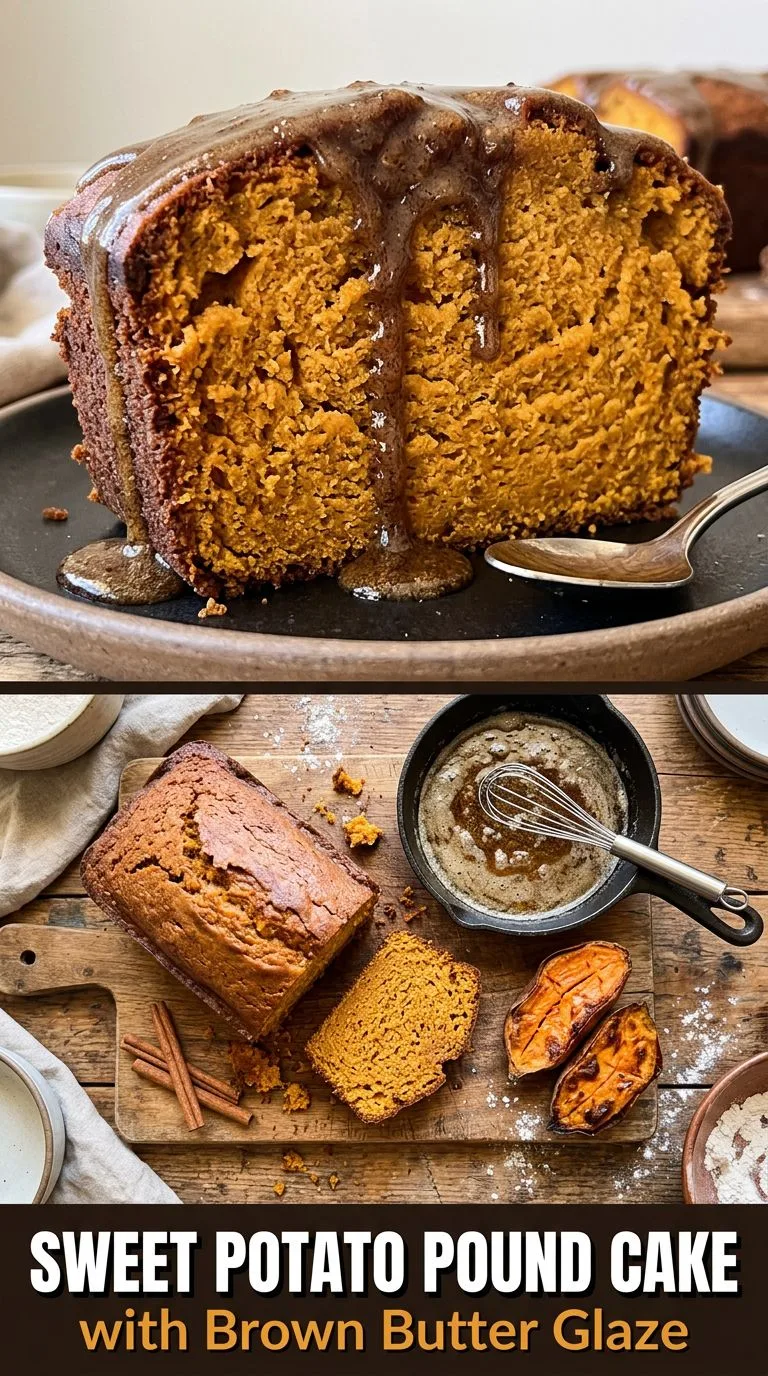
How to Make Sweet Potato Pound Cake
Making this sweet potato pound cake follows the classic creaming method, which is essential for achieving that fine, tender crumb. I always start by preparing my sweet potato ahead of time—either baking it until very soft or boiling peeled chunks until tender. Once mashed and cooled completely, measure out exactly 1½ cups for the recipe.
Proper pan preparation is crucial for Bundt cakes. I recommend using both butter or shortening and flour to thoroughly coat every crevice of your 12-cup Bundt pan. Don’t skip this step or rush through it—a well-greased pan is the difference between a cake that releases beautifully and one that sticks frustratingly.
The creaming process is where the magic begins. Beat the softened butter with both sugars for a full 3-5 minutes until the mixture is noticeably lighter in color and fluffy in texture. This incorporates air into the batter, which helps create a tender crumb. I find that using a stand mixer makes this step easier, but a hand mixer works fine if you’re patient.
Adding the eggs one at a time ensures they’re fully incorporated before adding the next. After the eggs, mix in the cooled sweet potato and vanilla extract. The batter may look slightly curdled at this point—that’s completely normal and will smooth out once you add the dry ingredients.
When alternating the dry ingredients with the sour cream, I always start and end with the dry ingredients, dividing them into three additions and the sour cream into two. Mix just until you no longer see streaks of flour—overmixing at this stage can lead to a tough cake.
The baking time for this cake is longer than many other cakes due to its density and the moisture from the sweet potato. I recommend checking at 65 minutes, but don’t be surprised if it needs the full 80 minutes. The cake is done when a long skewer or cake tester inserted into the center comes out clean or with just a few moist crumbs.
Cooling is just as important as baking. Let the cake cool in the pan for 15-20 minutes—this allows it to firm up enough to release without breaking. If you try to turn it out too soon, it may stick or fall apart. After turning it onto a cooling rack, let it cool completely before glazing.
Expert Tips for Best Results
I’ve learned several tricks over the years that make a significant difference in the final result. First, make sure all your ingredients are at room temperature before you begin. Room temperature butter creams more effectively, and room temperature eggs incorporate more smoothly into the batter, creating a more uniform texture.
When measuring flour, I recommend using the spoon-and-level method rather than scooping directly from the bag. Scooping can pack the flour, leading to too much flour in the recipe and a dry cake. Spoon the flour into your measuring cup and level it off with a straight edge for accuracy.
For the sweet potato, I prefer baking it rather than boiling when possible. Baking concentrates the flavor and results in a drier mash, which is actually beneficial for this recipe. If you do boil your sweet potato, make sure to drain it very well and let it cool completely so excess moisture doesn’t throw off the batter consistency.
The brown butter glaze requires your full attention for just a few minutes. Use a light-colored saucepan so you can see the color change as the butter browns. Watch it carefully—it goes from perfectly browned to burned very quickly. As soon as you see golden brown specks and smell that nutty aroma, immediately transfer it to a heatproof bowl to stop the cooking process.
When drizzling the glaze, I find it helpful to place the cooling rack over a sheet of parchment paper or a baking sheet to catch drips. Let the glaze cool just slightly so it thickens a bit—if it’s too hot, it will run right off the cake. If it becomes too thick, you can gently rewarm it or add a few more drops of milk.
If you’re baking this cake for a special occasion, you can make it a day ahead. In fact, I find that pound cakes often taste even better the next day as the flavors have time to meld. Just wait to add the glaze until a few hours before serving for the best appearance.
Serving Suggestions
This sweet potato pound cake is delicious on its own, but there are several ways to dress it up for different occasions. I love serving it as a centerpiece dessert for Thanksgiving or fall gatherings, where it offers a welcome alternative to the classic sweet potato pie while still celebrating the season’s flavors.
For a more indulgent presentation, serve slices with a dollop of freshly whipped cream or a scoop of vanilla ice cream. The contrast between the warm spices in the cake and the cool, creamy topping is wonderful. A sprinkle of cinnamon or a few candied pecans on top adds a nice textural element.
I also enjoy this cake as a breakfast or brunch offering. The sweet potato makes it feel slightly more wholesome than a traditional pound cake, and the brown butter glaze isn’t overly sweet. Pair it with strong coffee or chai tea for a cozy morning treat.
For holiday entertaining, you can garnish the glazed cake with sugared cranberries, candied orange peel, or toasted pecans arranged around the base. These additions make the presentation more festive without requiring much extra effort.
This cake also pairs beautifully with other fall desserts if you’re creating a dessert spread. It complements pumpkin Bundt cakes and apple-based desserts nicely, offering a different flavor profile while maintaining that autumn theme.
Variations and Substitutions
While I love this recipe as written, there are several ways to customize it to your preferences. For a more pronounced spice flavor, you can increase the cinnamon to 1½ teaspoons and add ¼ teaspoon of ground ginger. Some bakers also enjoy adding a pinch of cardamom for a more complex spice profile.
If you want to add texture to the cake, fold in ½ to ¾ cup of toasted chopped pecans or walnuts after mixing in the dry ingredients. The nuts add a pleasant crunch and complement the sweet potato beautifully. You can also sprinkle some on top of the glaze before it sets.
For a different glaze variation, you can make a cream cheese glaze instead of brown butter. Beat together 4 ounces of softened cream cheese, 2 tablespoons of softened butter, 1 cup of powdered sugar, and enough milk to reach a drizzling consistency. This creates a tangier, richer topping.
If you don’t have a Bundt pan, you can bake this batter in two 9×5-inch loaf pans. Reduce the baking time to about 50-60 minutes and check for doneness with a skewer. The loaf version makes wonderful gifts and is easier to slice for serving.
For a lighter version, you can reduce the butter to ¾ cup and replace the missing ¼ cup with additional sour cream or Greek yogurt. The cake will be slightly less rich but still delicious. I don’t recommend reducing the sugar significantly, as it plays an important role in the cake’s structure and moisture.
Storage, Freezing, and Reheating
One of the best things about this sweet potato pound cake is how well it keeps. I recommend storing it at room temperature, covered with a cake dome or wrapped in plastic wrap, for up to 4 days. The sweet potato keeps the cake incredibly moist, so it doesn’t dry out quickly like some other cakes.
If your kitchen is very warm or humid, you can refrigerate the cake, though I find this can make the glaze slightly sticky and the cake a bit firmer. If you do refrigerate it, let slices come to room temperature for about 20 minutes before serving for the best texture and flavor.
This cake freezes beautifully, which makes it perfect for baking ahead for holidays. I recommend freezing it without the glaze for best results. Wrap the completely cooled cake tightly in plastic wrap, then in aluminum foil, and freeze for up to 3 months. Thaw overnight in the refrigerator, then bring to room temperature and add the glaze before serving.
If you’ve already glazed the cake and have leftovers, you can still freeze individual slices. Place them on a baking sheet to freeze solid, then transfer to a freezer bag. This way, you can pull out single servings as needed. The glaze may look slightly less pristine after freezing, but the taste will still be excellent.
While this cake is delicious at room temperature, some people enjoy it slightly warm. You can gently warm individual slices in the microwave for about 10-15 seconds. Be careful not to overheat, as this can make the cake dry. I find that warming it just slightly enhances the spices and makes the cake feel even more comforting.
Frequently Asked Questions
Can I use canned sweet potato for this recipe?
While fresh sweet potato is my preference, you can use canned sweet potato in a pinch. Make sure to use plain canned sweet potato (not sweet potato pie filling, which contains added sugar and spices). Drain it very well and mash it smoothly before measuring. The texture may be slightly different, but the cake will still be delicious.
Why did my cake stick to the Bundt pan?
Sticking is usually caused by inadequate greasing or trying to remove the cake too soon. Make sure to thoroughly grease every crevice of the pan with butter or shortening, then dust with flour, tapping out the excess. Let the cake cool in the pan for 15-20 minutes before attempting to turn it out—this cooling time is crucial for the cake to release cleanly.
Can I make this cake without a stand mixer?
Absolutely! A hand mixer works perfectly fine for this recipe. You’ll just need to be patient during the creaming step, making sure to beat the butter and sugars for the full 3-5 minutes to incorporate enough air. You can even make this cake by hand with a wooden spoon and some elbow grease, though it will take more effort.
How do I know when the butter is properly browned?
Properly browned butter will have golden brown specks at the bottom of the pan and smell distinctly nutty and toasted. The color will deepen from yellow to golden brown. Watch it carefully and use a light-colored pan so you can see the color change. As soon as you see those brown specks and smell that nutty aroma, remove it from heat immediately.
Can I add chocolate chips to this cake?
While it’s not traditional, you can certainly fold in ½ to ¾ cup of chocolate chips if you’d like. I recommend using semi-sweet or dark chocolate chips, as milk chocolate might be too sweet. Toss them in a tablespoon of flour before folding them in to help prevent them from sinking to the bottom of the cake.
What’s the difference between this and sweet potato pie?
While both feature sweet potato as the star ingredient, the textures and preparations are completely different. Sweet potato pie has a custard-like filling in a pastry crust, while this pound cake has a dense, buttery crumb throughout. The cake is also less sweet than most pies and features the brown butter glaze instead of whipped cream or meringue topping.
Can I make mini Bundt cakes instead of one large cake?
Yes! This batter works beautifully in mini Bundt pans. You’ll need to reduce the baking time significantly—start checking at 25-30 minutes. The exact time will depend on the size of your mini pans. Mini Bundts make lovely individual servings for parties or gifts.
Why is my cake dense instead of fluffy?
Pound cakes are meant to be dense—that’s their signature texture! However, if your cake is overly dense or gummy, it could be due to overmixing the batter after adding the flour, using too much flour, or underbaking. Make sure to measure flour accurately, mix just until combined, and bake until a tester comes out clean.
Sweet Potato Pound Cake with Brown Butter Glaze
This sweet potato pound cake features a moist, buttery crumb infused with warm spices and topped with a rich brown butter glaze. Perfect for fall celebrations or any time you want a comforting, elegant dessert.
- Prep Time: 25 minutes
- Cook Time: 75 minutes
- Cooling Time: 2 hours
- Total Time: 3 hours 40 minutes
- Servings: 12-14 slices
- Difficulty: Medium
- Cuisine: American
- Course: Dessert
Ingredients
For the Cake:
- 3 cups all-purpose flour
- 1 teaspoon baking powder
- 1/2 teaspoon baking soda
- 1 teaspoon ground cinnamon
- 1/2 teaspoon ground nutmeg
- 1/2 teaspoon salt
- 1 cup unsalted butter, softened
- 1 1/2 cups granulated sugar
- 1/2 cup packed light brown sugar
- 4 large eggs, room temperature
- 1 1/2 cups cooked mashed sweet potato, cooled
- 1/2 cup sour cream, room temperature
- 2 teaspoons vanilla extract
For the Brown Butter Glaze:
- 4 tablespoons unsalted butter
- 1 cup powdered sugar
- 2-3 tablespoons milk
- 1/2 teaspoon vanilla extract
Instructions
- Preheat your oven to 325°F (160°C). Thoroughly grease and flour a 12-cup Bundt pan, making sure to coat all the crevices. Set aside.
- In a medium bowl, whisk together the flour, baking powder, baking soda, cinnamon, nutmeg, and salt. Set aside.
- In a large bowl or stand mixer, beat the softened butter with the granulated sugar and brown sugar on medium-high speed for 3-5 minutes, until light and fluffy.
- Add the eggs one at a time, beating well after each addition. Mix in the cooled mashed sweet potato and vanilla extract until well combined.
- Add the dry ingredients in three additions, alternating with the sour cream (beginning and ending with the dry ingredients). Mix on low speed just until combined after each addition, being careful not to overmix.
- Spoon the batter into the prepared Bundt pan and smooth the top with a spatula. Tap the pan gently on the counter to release any air bubbles.
- Bake for 65-80 minutes, until a long skewer or cake tester inserted into the center comes out clean or with just a few moist crumbs.
- Cool the cake in the pan on a wire rack for 15-20 minutes, then carefully invert onto the rack to cool completely, about 1-2 hours.
- For the glaze: Heat the butter in a light-colored saucepan over medium heat, swirling occasionally, until it turns golden brown and smells nutty, about 3-5 minutes. Immediately transfer to a heatproof bowl.
- Let the brown butter cool for 5 minutes, then whisk in the powdered sugar and vanilla extract. Add milk, 1 tablespoon at a time, until you reach a pourable but not too thin consistency.
- Drizzle the glaze over the completely cooled cake, allowing it to drip down the sides. Let the glaze set for about 15 minutes before slicing.
Recipe Notes
- Make sure your sweet potato is completely cooled before adding it to the batter to prevent the butter from melting.
- Room temperature ingredients are essential for proper creaming and a smooth batter.
- Don’t skip the full creaming time—this incorporates air and creates a tender crumb.
- Watch the brown butter carefully as it can go from perfectly browned to burned quickly.
- The cake can be made a day ahead; wait to add the glaze until a few hours before serving.
- If the glaze becomes too thick, gently rewarm it or add a few drops of milk.
Estimated Nutrition (Per Slice, Based on 14 Servings)
- Calories: 385
- Carbohydrates: 54g
- Protein: 5g
- Fat: 17g
- Saturated Fat: 10g
- Fiber: 2g
- Sugar: 35g
- Sodium: 210mg
Nutrition information is estimated and will vary based on exact ingredients and portion sizes.
