
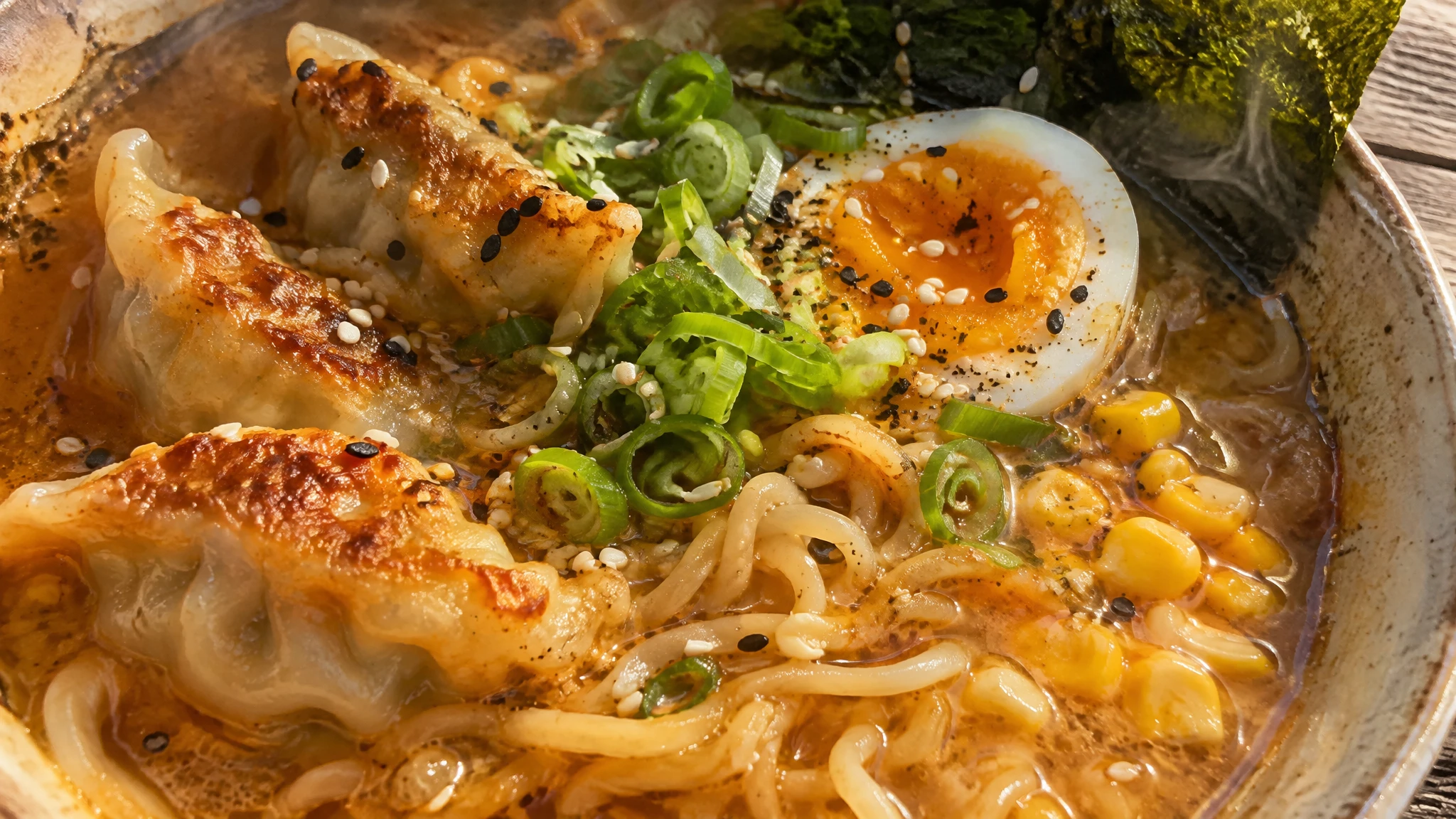
There’s something incredibly comforting about a steaming bowl of miso dumpling ramen soup on a chilly evening. I love how this recipe combines the rich, savory depth of miso with tender dumplings, slurp-worthy ramen noodles, and crisp vegetables in a flavorful soy-miso broth. It’s the kind of meal that warms you from the inside out while delivering authentic Japanese-inspired flavors right in your own kitchen.
What makes this dish so special is how it brings together multiple textures and flavors in one satisfying bowl. The umami-rich broth gets its complexity from white miso paste and soy sauce, while the dumplings add heartiness, and the bok choy provides a fresh, slightly sweet crunch. I find that this recipe strikes the perfect balance between being impressively flavorful and surprisingly easy to prepare—most of it comes together in under 30 minutes, making it ideal for busy weeknights when you’re craving something more exciting than takeout.
Whether you’re new to making ramen at home or you’re a seasoned noodle soup enthusiast, this miso dumpling ramen soup delivers restaurant-quality results with minimal effort. The combination of store-bought conveniences like frozen dumplings and ramen noodles with fresh aromatics and vegetables creates a bowl that tastes like you spent hours in the kitchen, even though you didn’t.
Why You’ll Love This Miso Dumpling Ramen Soup
This recipe has become one of my go-to dinners for several compelling reasons. First, it’s remarkably quick to prepare—from start to finish, you’re looking at about 25-30 minutes of active cooking time. I appreciate how it uses frozen dumplings as a convenient protein source, eliminating the need for marinating meat or preparing additional components.
The flavor profile is what really sets this soup apart. The white miso paste provides a mellow, slightly sweet umami base that’s less intense than red miso, making it approachable for those new to Japanese cooking. Combined with the salty depth of soy sauce, aromatic ginger and garlic, and the nutty richness of sesame oil, the broth becomes incredibly complex and satisfying.
I also love the textural variety in every spoonful. You get the tender chewiness of the dumplings, the springy bite of ramen noodles, the earthy softness of mushrooms, and the crisp-tender crunch of bok choy. The finishing touches—sliced green onions, toasted sesame seeds, and a dollop of chili crisp—add freshness, nuttiness, and optional heat that elevate the entire bowl.
Another reason this recipe wins in my kitchen is its flexibility. While the base recipe is delicious as written, it’s incredibly adaptable to whatever vegetables you have on hand or dietary preferences you need to accommodate. It’s also a one-pot meal, which means minimal cleanup—always a win in my book.
Ingredients and Substitutions
Let me walk you through the key ingredients that make this miso dumpling ramen soup so delicious, along with some practical substitutions if you need to adapt the recipe.
Frozen Asian-Style Dumplings: I recommend using any variety you enjoy—pork, chicken, vegetable, or shrimp dumplings all work beautifully. Look for gyoza or potstickers in the frozen section. If you prefer homemade dumplings, that’s wonderful too, though it will add preparation time.
Ramen Noodles: The recipe calls for two 3-ounce packages of ramen noodles with the seasoning packets discarded. You can use fresh ramen noodles if available, or substitute with dried udon, soba, or even rice noodles. I find that fresh ramen noodles have the best texture, but the dried variety works perfectly well.
White Miso Paste: This fermented soybean paste is the soul of the broth. White miso (also called shiro miso) is milder and slightly sweeter than red miso. If you only have red miso, you can use it, but reduce the amount to 2 tablespoons as it’s more intense. Yellow miso falls somewhere in between and works well too.
Low-Sodium Soy Sauce: I prefer low-sodium soy sauce because it gives you better control over the saltiness of the broth, especially since miso paste is already salty. Regular soy sauce works, but you may want to reduce the amount slightly.
Vegetable Broth: This forms the base of your soup. You can substitute chicken broth for a non-vegetarian version, or use mushroom broth for deeper umami flavor. In a pinch, water with a bit of extra miso and soy sauce works, though the flavor won’t be quite as rich.
Fresh Ginger and Garlic: These aromatics are essential for authentic flavor. I don’t recommend substituting dried versions here—the fresh ingredients make a noticeable difference. If you’re short on time, pre-minced garlic and ginger from a jar can work in a pinch.
Sesame Oil: Just a teaspoon of toasted sesame oil adds incredible nutty depth. Don’t skip this ingredient—it’s a small amount that makes a big impact.
Mushrooms: I like using shiitake mushrooms for their meaty texture and earthy flavor, but button mushrooms, cremini, or a mix of wild mushrooms all work well. Slice them about 1/4-inch thick for the best texture.
Baby Bok Choy: This tender Asian green adds freshness and a slight sweetness. You can substitute regular bok choy (chopped), napa cabbage, spinach, or even kale. If using heartier greens, add them a minute or two earlier.
Green Onions: Also called scallions, these provide a fresh, mild onion flavor and beautiful color. Chives can substitute in a pinch, though the flavor is slightly different.
Sesame Seeds and Chili Crisp: These garnishes add the finishing touch. The sesame seeds provide nutty crunch, while chili crisp (like Lao Gan Ma) adds spicy, savory heat. If you don’t have chili crisp, try sriracha, sambal oelek, or red pepper flakes.
How to Make This Recipe
Making this miso dumpling ramen soup is straightforward and comes together quickly. Here’s how I approach each step for the best results.
Prep Your Ingredients: Before you start cooking, I recommend doing all your prep work. Slice the mushrooms, chop the bok choy, mince the garlic, grate the ginger, and slice the green onions. Having everything ready makes the cooking process smooth and stress-free. Keep your frozen dumplings in the freezer until you’re ready to add them to the pot.
Build the Aromatic Base: Heat the sesame oil in a large soup pot over medium heat. Once it’s shimmering, add the minced garlic and grated ginger. Sauté for just 30-60 seconds, stirring constantly. You want them fragrant but not browned—burnt garlic turns bitter and can ruin the broth’s delicate flavor.
Cook the Mushrooms: Add your sliced mushrooms to the pot and cook for 3-4 minutes, stirring occasionally. The mushrooms will release their moisture and begin to soften. This step builds another layer of umami into your broth.
Add the Broth: Pour in the vegetable broth and soy sauce, then bring everything to a gentle simmer. Don’t let it boil vigorously—a gentle simmer is perfect for developing flavors without overcooking the vegetables you’ll add later.
Cook the Dumplings: Add the frozen dumplings directly to the simmering broth. Cook according to the package directions, which is typically 6-8 minutes. If your dumplings contain meat, make sure they’re cooked through completely. You’ll know they’re done when they float to the surface and the filling is hot throughout.
Add Noodles and Bok Choy: During the final 3-4 minutes of cooking, add the ramen noodles and chopped bok choy. The noodles will soften and the bok choy will become tender-crisp. I like to stir gently to separate the noodles and ensure even cooking.
Incorporate the Miso: This step is crucial for the best flavor. Remove the pot from the heat first. Place the white miso paste in a small bowl and whisk it with about 1/2 cup of the hot broth until completely smooth. Then stir this mixture back into the soup. Never add miso paste directly to boiling liquid or boil it after adding—high heat can destroy the beneficial probiotics and alter the flavor.
Serve and Garnish: Divide the soup among serving bowls, making sure each bowl gets a good portion of dumplings, noodles, vegetables, and broth. Top with sliced green onions, a sprinkle of sesame seeds, and a spoonful of chili crisp for those who enjoy heat.
Expert Tips for Best Results
After making this recipe many times, I’ve discovered several tips that ensure perfect results every time.
Don’t Boil the Miso: As mentioned earlier, always add miso paste after removing the pot from heat, and whisk it with some broth first to prevent lumps. Boiling miso can make it taste harsh and destroys its probiotic benefits.
Use Fresh Aromatics: Fresh ginger and garlic make a noticeable difference in this recipe. I recommend grating the ginger on a microplane for the finest texture and most intense flavor. For the garlic, a fine mince works best.
Don’t Overcook the Noodles: Ramen noodles can go from perfectly tender to mushy quickly. I recommend setting a timer and checking them a minute before the package suggests. They’ll continue to soften slightly in the hot broth even after you remove the pot from heat.
Keep the Bok Choy Crisp-Tender: I find that bok choy tastes best when it still has a slight crunch. Adding it during the last 3-4 minutes ensures it’s cooked but not limp. If you prefer softer vegetables, add it a minute or two earlier.
Adjust Seasoning at the End: Taste your broth before serving and adjust as needed. You might want more soy sauce for saltiness, a bit more miso for umami depth, or a splash of rice vinegar for brightness.
Serve Immediately: This soup is best enjoyed right after making it. The noodles will continue to absorb broth as it sits, so if you’re making it ahead, I recommend cooking the noodles separately and adding them to individual bowls when serving.
Customize the Heat Level: Chili crisp adds wonderful flavor and heat, but it’s quite spicy. Let each person add their own at the table so everyone can adjust to their preference.
Serving Suggestions
This miso dumpling ramen soup is a complete meal in a bowl, but there are several ways I like to round out the dining experience.
For a traditional Japanese-inspired meal, I recommend serving this soup with a simple cucumber salad dressed with rice vinegar, a touch of sugar, and sesame seeds. The cool, crisp salad provides a refreshing contrast to the warm, rich soup. Edamame sprinkled with sea salt also makes an excellent side dish and adds extra protein.
If you’re looking for something more substantial, consider adding some crispy spring rolls or vegetable tempura on the side. The crunchy texture complements the soup beautifully.
For beverages, I find that green tea is the perfect pairing—it cleanses the palate between bites without overwhelming the delicate miso flavors. If you prefer something cold, Japanese barley tea or even a light lager beer works wonderfully.
When serving, I like to set out small bowls of additional toppings so everyone can customize their bowl. Consider offering extra green onions, more chili crisp, additional sesame seeds, nori strips, soft-boiled eggs, or even some crispy fried garlic or shallots for added crunch.
This soup also makes an excellent lunch option. I sometimes pack it in a thermos for work, keeping the noodles separate and adding them just before eating to prevent them from getting too soft.
Variations and Substitutions
One of the things I love most about this recipe is how adaptable it is. Here are some variations I’ve tried and enjoyed.
Protein Variations: While the dumplings provide protein, you can add more or switch things up. Try adding cubed firm tofu, sliced cooked chicken breast, shrimp, or thinly sliced beef. For a vegetarian version, use vegetable dumplings and add extra mushrooms or tofu.
Vegetable Options: Beyond bok choy and mushrooms, consider adding bean sprouts, snap peas, sliced carrots, corn kernels, or bamboo shoots. Spinach, kale, or Swiss chard can replace the bok choy. I sometimes add a handful of frozen peas during the last minute of cooking for extra color and sweetness.
Noodle Alternatives: If you’re avoiding wheat, rice noodles or shirataki noodles work well. For a low-carb version, try zucchini noodles or kelp noodles, though these will give you a very different texture.
Spicy Miso Ramen: For more heat throughout the soup, add 1-2 teaspoons of gochugaru (Korean red pepper flakes) or a tablespoon of gochujang (Korean red pepper paste) along with the miso.
Creamy Miso Ramen: For a richer, creamier broth similar to tonkotsu ramen, stir in 1/4 cup of coconut milk or heavy cream after adding the miso paste.
Egg Additions: A soft-boiled egg (marinated in soy sauce and mirin if you have time) makes a traditional and delicious topping. You can also poach an egg directly in the broth during the last few minutes of cooking.
Mushroom Lover’s Version: Use a mix of shiitake, oyster, and enoki mushrooms, and substitute mushroom broth for the vegetable broth for intense umami flavor.
Storage, Freezing, and Reheating
Understanding how to properly store and reheat this soup will help you enjoy leftovers without sacrificing quality.
Refrigerator Storage: I recommend storing the components separately if possible. The broth, dumplings, and vegetables can be stored together in an airtight container in the refrigerator for up to 3 days. However, store the cooked noodles separately in a different container, as they’ll continue to absorb liquid and become mushy. If you’ve already combined everything, the soup will keep for 2-3 days, though the noodles will be softer.
Freezing: The broth with vegetables and dumplings freezes reasonably well for up to 2 months. I don’t recommend freezing the cooked noodles—they become unpleasantly mushy when thawed. Instead, freeze just the broth and dumplings, then cook fresh noodles when you’re ready to eat. Let the soup cool completely before transferring to freezer-safe containers, leaving about an inch of headspace for expansion.
Reheating: For refrigerated soup, reheat gently on the stovetop over medium-low heat until warmed through. If you stored the noodles separately, heat the broth first, then add the noodles during the last minute just to warm them. For frozen soup, thaw overnight in the refrigerator, then reheat on the stovetop. You can also reheat from frozen—just add a few extra minutes and use low heat to prevent scorching.
Microwave Reheating: While I prefer stovetop reheating for better texture, you can microwave individual portions. Use a microwave-safe bowl, cover loosely, and heat in 1-minute intervals, stirring between each, until hot throughout.
Refreshing Leftovers: When reheating, the broth may need a flavor boost. I like to add a splash of soy sauce, a bit more miso paste whisked with hot water, or a drizzle of sesame oil to revive the flavors. Fresh garnishes like green onions and sesame seeds also help make leftovers taste freshly made.
Frequently Asked Questions
Can I make this soup vegetarian or vegan?
Absolutely! Use vegetable dumplings, vegetable broth, and ensure your miso paste doesn’t contain bonito (fish) flakes—most white miso is vegan, but check the label. The rest of the ingredients are already plant-based.
What’s the difference between white, yellow, and red miso?
White miso is the mildest and slightly sweet, fermented for the shortest time. Yellow miso is medium in flavor and fermentation. Red miso is the strongest, saltiest, and fermented longest. For this recipe, white or yellow miso works best, but you can use red miso in smaller quantities if that’s what you have.
Can I use homemade dumplings instead of frozen?
Yes! Homemade dumplings work beautifully. Adjust the cooking time based on their size and whether they’re fresh or frozen. Fresh homemade dumplings typically cook in 4-6 minutes.
My miso paste has lumps in the soup. What did I do wrong?
Miso paste needs to be whisked with some hot broth before adding it to the pot. This creates a smooth slurry that incorporates evenly. Adding it directly to the soup often results in lumps that are difficult to dissolve.
Can I make this soup spicier?
Definitely! Add more chili crisp, stir in some sriracha or sambal oelek, use spicy miso paste, or add red pepper flakes to the broth. You can also use spicy dumplings for heat throughout.
How do I prevent the noodles from getting mushy?
Cook the noodles just until tender, not beyond. If making ahead, store noodles separately and add them when reheating. You can also slightly undercook them initially since they’ll continue softening in the hot broth.
What can I substitute for bok choy?
Napa cabbage, regular cabbage, spinach, kale, Swiss chard, or even broccoli florets all work well. Adjust cooking times based on the vegetable—heartier greens need a bit longer.
Is this recipe gluten-free?
Not as written, since ramen noodles and soy sauce typically contain gluten. However, you can use gluten-free noodles (rice noodles work great) and tamari or coconut aminos instead of soy sauce. Check that your dumplings and miso paste are also gluten-free.
Can I add more protein to this soup?
Certainly! Beyond the dumplings, you can add cubed tofu, sliced cooked chicken, shrimp, thinly sliced beef, or a soft-boiled egg. Just adjust cooking times accordingly.
How can I make the broth richer?
For a richer broth, add a tablespoon of tahini or peanut butter, use chicken or pork broth instead of vegetable broth, or stir in some coconut milk. You can also increase the miso paste slightly for more umami depth.
More Delicious Soup Recipes You’ll Love
If you enjoyed this miso dumpling ramen soup, you might also like my easy homemade chicken ramen soup, which features tender chicken and a flavorful broth that’s perfect for any night of the week. Both recipes deliver authentic Japanese-inspired flavors with minimal fuss.
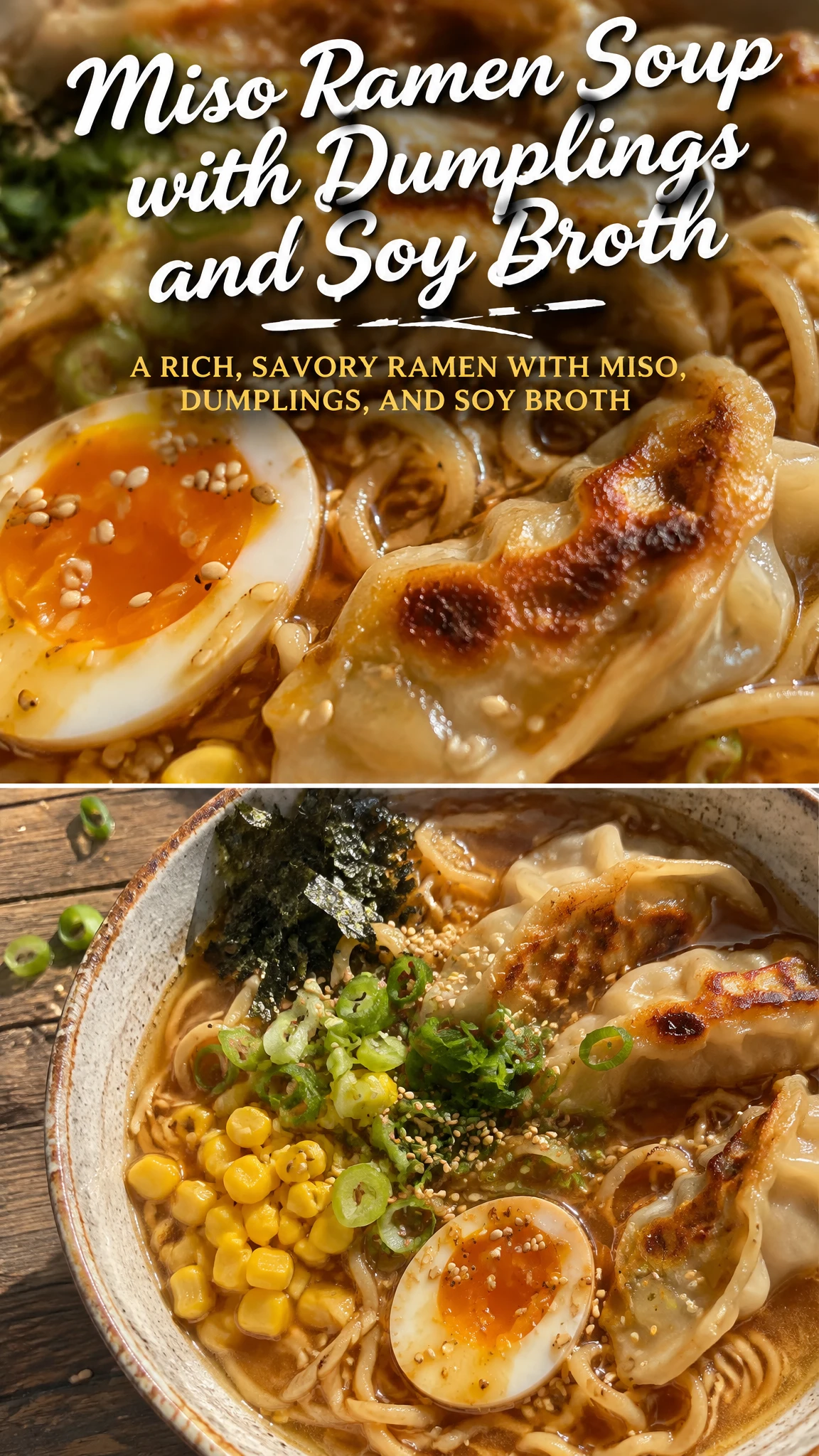
Miso Ramen Soup with Dumplings and Soy Broth
A savory miso ramen bowl featuring tender dumplings, ramen noodles, vegetables, and a flavorful soy-miso broth. This comforting Japanese-inspired soup comes together in about 30 minutes and delivers restaurant-quality flavor with minimal effort.
- Prep Time: 10 minutes
- Cook Time: 20 minutes
- Total Time: 30 minutes
- Servings: 4
- Difficulty: Easy
- Cuisine: Japanese-Inspired
- Course: Dinner
Ingredients
- 12 frozen Asian-style dumplings
- 2 packages (3 oz each) ramen noodles, seasoning packets discarded
- 3 tablespoons white miso paste
- 2 tablespoons low-sodium soy sauce
- 5 cups vegetable broth
- 1 tablespoon fresh ginger, grated
- 3 garlic cloves, minced
- 1 teaspoon sesame oil
- 1 cup mushrooms, sliced
- 2 cups baby bok choy, chopped
- 3 green onions, sliced
- 1 teaspoon sesame seeds
- 1 teaspoon chili crisp
Instructions
- Prepare the mushrooms, baby bok choy, garlic, ginger, and green onions. Keep the frozen dumplings ready until cooking.
- Heat sesame oil in a large soup pot over medium heat. Add garlic and ginger and sauté for 30–60 seconds until fragrant, stirring constantly to prevent burning.
- Add sliced mushrooms and cook for 3–4 minutes, stirring occasionally, until slightly softened.
- Pour in the vegetable broth and soy sauce. Bring to a gentle simmer over medium heat.
- Add frozen dumplings and cook according to package directions, usually 6–8 minutes, ensuring any meat-filled dumplings are fully cooked through.
- Add ramen noodles and chopped bok choy during the final 3–4 minutes of cooking, stirring gently to separate the noodles. Cook until the noodles and vegetables are tender.
- Remove the pot from heat. Place the miso paste in a small bowl and whisk with 1/2 cup of hot broth until completely smooth, then stir this mixture into the soup.
- Divide the soup among four bowls, ensuring each gets dumplings, noodles, and vegetables. Garnish with sliced green onions, sesame seeds, and chili crisp.
Recipe Notes
- Never add miso paste directly to boiling liquid or boil it after adding, as high heat can destroy beneficial probiotics and alter the flavor.
- For best results, use fresh ginger and garlic rather than dried or pre-ground versions.
- The chili crisp adds heat—adjust the amount based on your spice preference or serve it on the side.
- If making ahead, store the noodles separately from the broth to prevent them from becoming mushy.
- Any variety of Asian-style dumplings works well—pork, chicken, vegetable, or shrimp.
- For a richer broth, substitute chicken broth for vegetable broth or add a tablespoon of tahini.
- Fresh ramen noodles can be used instead of dried for better texture, though dried works perfectly well.
Nutrition Information (Per Serving)
Estimated values based on one of four servings:
- Calories: 285
- Carbohydrates: 42g
- Protein: 12g
- Fat: 8g
- Saturated Fat: 2g
- Fiber: 3g
- Sugar: 4g
- Sodium: 1,240mg
Nutrition information is an estimate and will vary based on specific ingredients used and portion sizes.
