
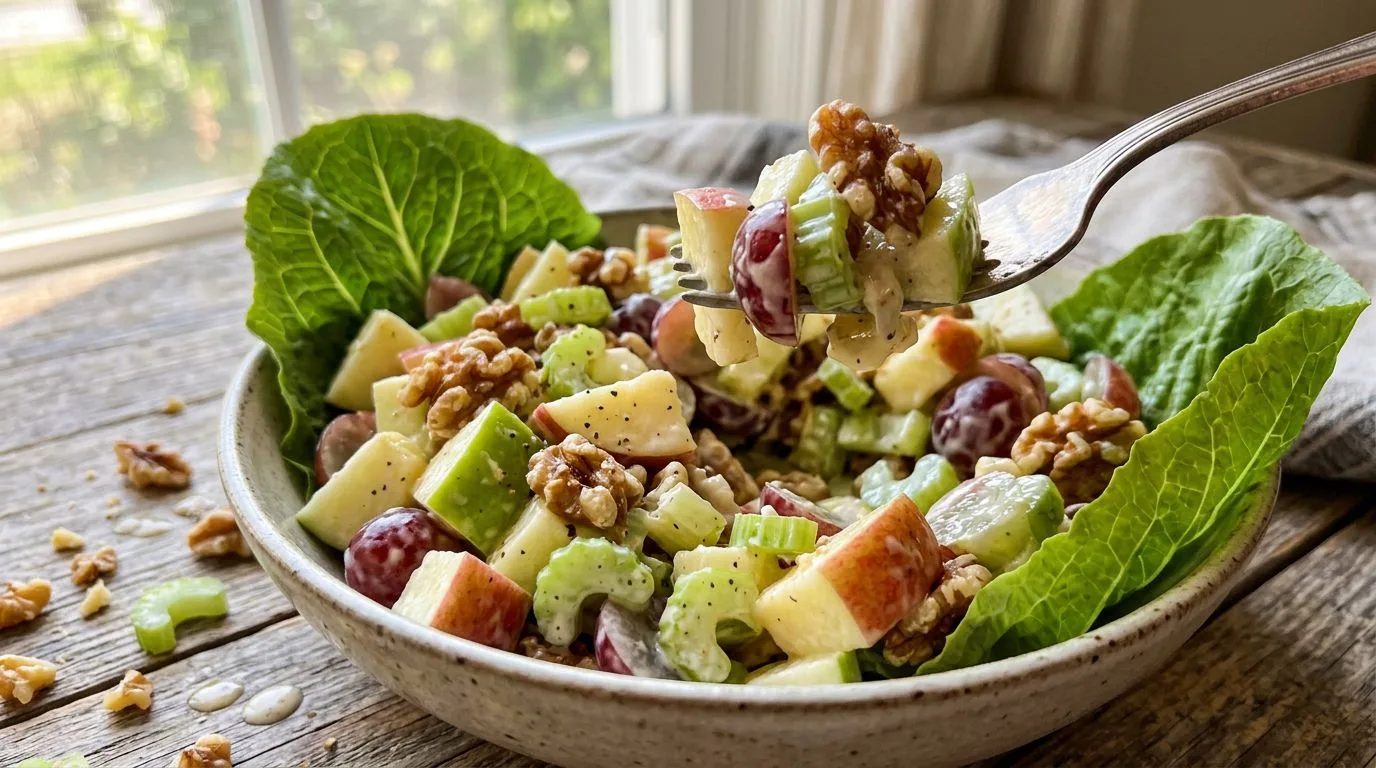
There’s something wonderfully timeless about a Classic Waldorf Salad. This elegant yet simple dish has been gracing American tables since the late 1800s, and for good reason—it’s the perfect balance of crisp, sweet, creamy, and crunchy. I love how this salad brings together fresh apples, juicy grapes, celery, and toasted walnuts in a lightly sweetened creamy dressing that never goes out of style. Whether you’re planning a holiday feast, hosting a potluck, or simply want a refreshing side dish that feels special, this Classic Waldorf Salad delivers every time.
What I find most appealing about this recipe is its versatility and ease. You don’t need any cooking skills or fancy equipment—just fresh ingredients and a few minutes of prep time. The combination of textures is what makes this salad truly shine: the crunch of apples and celery, the burst of sweetness from grapes, and the rich, nutty flavor of walnuts all come together in a creamy dressing that’s both tangy and slightly sweet. It’s a crowd-pleaser that works beautifully alongside roasted meats, at Thanksgiving dinner, or as a light lunch on its own.
Why You’ll Love This Classic Waldorf Salad
I recommend this recipe to anyone looking for a reliable side dish that feels both nostalgic and fresh. The Classic Waldorf Salad has stood the test of time because it simply works. The flavors are clean and bright, never overly heavy or cloying. The Greek yogurt in the dressing adds a pleasant tang while keeping things lighter than traditional versions made with only mayonnaise.
This salad comes together in about 15 minutes of active prep time, making it ideal for busy cooks who still want to serve something impressive. I love that it actually benefits from a short chill in the refrigerator, which means you can make it ahead and let the flavors meld while you focus on other dishes. The presentation is naturally beautiful—the red grapes and apple skins add lovely pops of color that make this salad as appealing to the eye as it is to the palate.
Another reason this recipe shines is its adaptability to different occasions. Serve it at Thanksgiving alongside turkey and stuffing, bring it to a summer picnic, or enjoy it as a light dinner paired with grilled chicken. The combination of fruit, vegetables, and nuts makes it nutritionally balanced while still feeling like a treat.
Ingredients and Substitutions
The beauty of a Classic Waldorf Salad lies in its straightforward ingredient list. Each component plays an important role in creating the signature flavor and texture profile that makes this dish so beloved.
Crisp apples form the foundation of this salad. I recommend using varieties that hold their shape and offer a good balance of sweet and tart flavors. Granny Smith apples provide excellent tartness and crunch, while Honeycrisp, Fuji, or Gala apples bring natural sweetness. You can use a single variety or mix two types for more complex flavor. Whatever you choose, make sure the apples are firm and fresh—soft or mealy apples will compromise the texture.
Red grapes add bursts of juicy sweetness throughout the salad. I prefer seedless red grapes for convenience, but green grapes work equally well if that’s what you have on hand. Halving the grapes is important—it makes them easier to eat and helps the dressing coat them more evenly.
Celery stalks contribute essential crunch and a subtle savory note that balances the fruit’s sweetness. Use the inner, lighter-colored stalks for the best texture and milder flavor. Make sure to slice them thinly so they integrate well with the other ingredients.
Walnuts provide richness and a satisfying crunch. I like to toast them lightly before adding them to the salad—it brings out their natural oils and deepens their flavor. If you have a nut allergy or preference, pecans make an excellent substitute and offer a slightly sweeter, buttery flavor.
Mayonnaise and Greek yogurt create the creamy dressing base. The combination gives you the richness of mayo with the tang and lighter texture of yogurt. If you prefer a traditional approach, you can use all mayonnaise, though I find the yogurt version more balanced. For a dairy-free option, use vegan mayonnaise and coconut yogurt.
Lemon juice serves double duty: it prevents the apples from browning and adds brightness to the dressing. Fresh lemon juice is always best, but bottled will work in a pinch.
Honey adds a touch of sweetness that rounds out the dressing. You can substitute maple syrup or agave nectar if you prefer, or use a small amount of sugar dissolved in the lemon juice.
How to Make Classic Waldorf Salad
Making this salad is wonderfully straightforward, but a few key techniques ensure the best results. I find that proper preparation of each ingredient makes all the difference in the final dish.
Start by preparing your apples. Wash them thoroughly, then core and cut them into bite-sized cubes—about half-inch pieces work well. I like to leave the skin on for added color, texture, and nutrition, but you can peel them if you prefer. Immediately toss the apple pieces with the lemon juice in a large bowl. This step is crucial for preventing oxidation, which causes the apples to turn brown. The lemon juice creates a protective barrier while also beginning to flavor the fruit.
Next, prepare your grapes by washing and halving them lengthwise. This makes them easier to eat and helps them absorb the dressing. Wash your celery stalks and slice them thinly—about a quarter-inch thick. The thinner slices integrate better with the other ingredients and provide crunch without being overwhelming.
If you’re toasting your walnuts (which I highly recommend), do this before assembling the salad. Spread them on a dry skillet over medium heat and toast for 3-4 minutes, stirring frequently, until fragrant and lightly golden. Let them cool completely before chopping and adding to the salad.
For the dressing, whisk together the mayonnaise, Greek yogurt, honey, and a pinch of salt in a small bowl until completely smooth. The mixture should be creamy and pourable but not runny. Taste and adjust the sweetness or salt as needed—some people prefer a sweeter dressing, while others like it more tangy.
Combine all your prepared ingredients—the lemon-tossed apples, halved grapes, sliced celery, and chopped walnuts—in your large bowl. Pour the dressing over everything and toss gently but thoroughly until all ingredients are evenly coated. I use a large spoon or spatula and fold the ingredients together rather than stirring vigorously, which helps keep the apple pieces intact.
Cover the bowl and refrigerate the salad for 20-30 minutes before serving. This chilling time allows the flavors to meld and the salad to become properly cold and refreshing. If you’re making it further in advance, wait to add the walnuts until just before serving to keep them crunchy.
Expert Tips for Best Results
After making this Classic Waldorf Salad countless times, I’ve learned a few tricks that elevate it from good to exceptional. These tips ensure perfect texture, flavor, and presentation every time.
Choose the right apples. Firm, crisp varieties are essential. Avoid Red Delicious or other soft apples that turn mushy quickly. I find that mixing a tart apple like Granny Smith with a sweeter variety like Honeycrisp creates the most interesting flavor profile.
Cut uniform pieces. When all your ingredients are roughly the same size, you get a better distribution of flavors in each bite. Aim for half-inch cubes for the apples and similar-sized pieces for everything else.
Don’t skip the lemon juice step. Tossing the apples immediately with lemon juice is non-negotiable if you want them to stay white and bright. Even a few minutes of exposure to air can cause noticeable browning.
Toast your walnuts. This simple step transforms the nuts from good to amazing. The gentle heat brings out their natural oils and creates a deeper, more complex flavor. Just watch them carefully—they can go from perfectly toasted to burnt in seconds.
Adjust the dressing to your taste. The beauty of making your own Waldorf Salad is that you control the creaminess and sweetness. Start with the amounts in the recipe, then add more mayo for richness, more yogurt for tang, or more honey for sweetness.
Add walnuts at the last minute for maximum crunch. If you’re making the salad more than an hour ahead, keep the walnuts separate and fold them in just before serving. This prevents them from getting soggy in the dressing.
Serve it cold. This salad is meant to be refreshing, so make sure it’s properly chilled. If you’re serving it at a buffet or outdoor event, consider placing the serving bowl over a larger bowl filled with ice to keep it cool.
Serving Suggestions
The Classic Waldorf Salad is remarkably versatile when it comes to serving options. I love how it complements both casual and formal meals, making it a reliable choice for various occasions.
This salad is a natural fit for holiday tables, especially Thanksgiving and Christmas. It pairs beautifully with roasted turkey, glazed ham, or prime rib. The fresh, crisp flavors provide a refreshing contrast to rich, savory main dishes. I often serve it alongside homemade cranberry sauce and other traditional sides for a complete holiday spread.
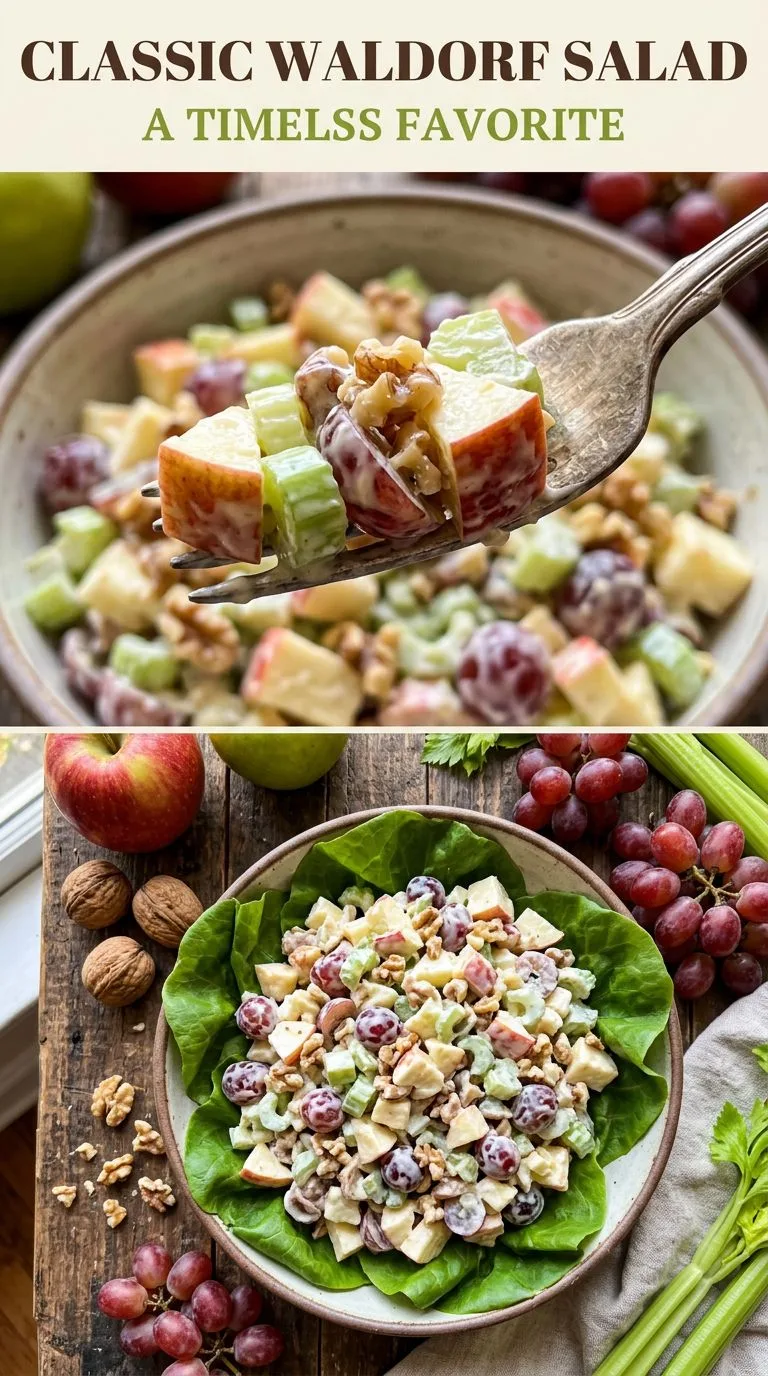
For a lighter meal, serve the Waldorf Salad as a main course. I like to present it on a bed of butter lettuce or mixed greens and add grilled chicken breast or rotisserie chicken for protein. This turns it into a satisfying lunch that’s both nutritious and filling.
The salad also works wonderfully at potlucks, picnics, and barbecues. Its make-ahead nature means you can prepare it in the morning and let it chill until serving time. Just remember to keep it refrigerated or on ice if you’re serving it outdoors in warm weather.
For an elegant presentation, I sometimes serve individual portions in lettuce cups or small glass bowls. This works particularly well for dinner parties or buffets where guests are standing and mingling. Garnish each serving with a few extra walnut halves and a small sprig of fresh herbs for a restaurant-quality look.
If you enjoy fruit-based salads, you might also appreciate this apple cranberry pecan salad, which offers a similar flavor profile with a seasonal twist.
Variations and Substitutions
While the classic version is wonderful as written, there are many ways to customize this Waldorf Salad to suit your preferences or dietary needs. I find that small variations can make the salad feel new and exciting while maintaining its essential character.
Nut variations: Swap walnuts for pecans, almonds, or hazelnuts. Each brings a different flavor profile—pecans are sweeter and buttery, almonds are mild and crunchy, and hazelnuts add a sophisticated, slightly earthy note. For a nut-free version, try toasted sunflower seeds or pumpkin seeds.
Fruit additions: Dried cranberries, raisins, or chopped dried apricots add chewy sweetness and work especially well for fall and winter versions. Fresh pear slices can partially replace the apples for a softer, more delicate fruit flavor. Some people like adding mandarin orange segments for extra juiciness.
Protein boost: Fold in diced cooked chicken breast, turkey, or even crispy bacon bits to transform this side dish into a complete meal. The protein additions work surprisingly well with the fruit and nut combination.
Dressing variations: For a tangier version, increase the Greek yogurt and decrease the mayonnaise. Add a teaspoon of Dijon mustard for depth and complexity. A splash of apple cider vinegar brightens the flavors even more. For a sweeter dressing, use vanilla yogurt instead of plain.
Greens addition: Toss in some chopped romaine lettuce or baby spinach to add volume and make the salad more substantial. This also increases the nutritional value and adds a fresh, green element.
Spice it up: A pinch of cinnamon or nutmeg in the dressing adds warmth and makes the salad feel more seasonal. Freshly ground black pepper provides a subtle kick that some people really enjoy.
Storage, Freezing, and Reheating
Proper storage is key to maintaining the quality of your Classic Waldorf Salad. I’ve learned through experience exactly how to keep it fresh and delicious.
Refrigerator storage: Store the salad in an airtight container in the refrigerator for up to 2 days. The lemon juice helps prevent browning, but the apples will eventually start to oxidize and the celery may lose some crispness. For best results, I recommend making only what you’ll eat within a day or two. If you know you’ll have leftovers, consider storing the dressing separately and tossing it with the fruit and vegetables just before serving.
Make-ahead tips: You can prep the components up to 4 hours ahead. Keep the cut apples tossed with lemon juice in one container, the grapes and celery in another, and the dressing in a third. Combine everything 30 minutes before serving. This method keeps all the ingredients at peak freshness. Always add the walnuts last to maintain their crunch.
Freezing: I don’t recommend freezing Waldorf Salad. The high water content in the apples, grapes, and celery means they’ll become mushy and watery when thawed. The mayonnaise-based dressing also doesn’t freeze well—it tends to separate and become grainy. This is definitely a salad best enjoyed fresh.
Reviving leftovers: If your leftover salad seems a bit dry, you can refresh it with a small spoonful of additional dressing or a squeeze of fresh lemon juice. Toss gently and taste before adding more—you want to enhance, not drown, the ingredients. Adding a handful of fresh grapes or apple cubes can also perk up day-old salad.
Frequently Asked Questions
Can I make Waldorf Salad the night before?
While you can make it up to 24 hours ahead, I find the texture is best when made no more than 4-6 hours in advance. The apples stay crispest and the walnuts maintain their crunch when the salad is relatively fresh. If making it the night before, definitely keep the walnuts separate and add them just before serving.
Why is my Waldorf Salad watery?
Excess moisture usually comes from the grapes or apples releasing their juices. Make sure to dry all your produce thoroughly after washing. If you notice liquid pooling in the bottom of your bowl, you can drain it off before serving. Using slightly less dressing can also help prevent a watery salad.
What kind of apples work best?
Crisp, firm apples are essential. Granny Smith, Honeycrisp, Fuji, Gala, and Pink Lady all work beautifully. Avoid soft varieties like Red Delicious or McIntosh, which turn mushy quickly. I particularly love using a mix of tart and sweet apples for depth of flavor.
Can I use regular yogurt instead of Greek yogurt?
Yes, but Greek yogurt is thicker and creates a better texture. If using regular yogurt, you might want to strain it through cheesecloth for 30 minutes to remove excess liquid, or simply use a bit less to compensate for the thinner consistency.
Is Waldorf Salad healthy?
It offers good nutritional value with fresh fruit, vegetables, and nuts providing fiber, vitamins, and healthy fats. The version with Greek yogurt is lighter than traditional all-mayonnaise versions. That said, it’s still a creamy salad, so enjoy it as part of a balanced meal.
How do I keep the apples from turning brown?
Toss them immediately with lemon juice after cutting. The acid creates a barrier that prevents oxidation. You can also use a commercial produce protector like Fruit-Fresh if you prefer, though lemon juice works perfectly well and adds flavor.
Can I add lettuce to Waldorf Salad?
While not traditional, adding chopped romaine or serving the salad on a bed of greens is a popular variation. It adds volume and freshness, making the salad more substantial without adding many calories.
Classic Waldorf Salad
This Classic Waldorf Salad combines crisp apples, juicy grapes, crunchy celery, and toasted walnuts in a creamy, lightly sweetened dressing. It’s a refreshing side dish that’s perfect for holidays, potlucks, or any meal that needs a touch of elegance.
- Prep Time: 15 minutes
- Chilling Time: 20-30 minutes
- Total Time: 35-45 minutes
- Servings: 6 servings
- Difficulty: Easy
- Cuisine: American
- Course: Side Dish
Ingredients
- 3 crisp apples (such as Granny Smith, Honeycrisp, or Fuji)
- 1 cup red grapes, halved
- 2 celery stalks, thinly sliced
- 1/2 cup chopped walnuts
- 1/2 cup mayonnaise
- 1/4 cup plain Greek yogurt
- 1 tablespoon lemon juice
- 1 tablespoon honey
- Pinch of salt
Instructions
- Wash and core the apples, then cut them into bite-sized cubes (about 1/2-inch pieces). You can leave the skin on for added color and texture.
- Immediately toss the apple pieces with the lemon juice in a large bowl to prevent browning.
- Wash the grapes and cut them in half lengthwise. Add them to the bowl with the apples.
- Wash and thinly slice the celery stalks (about 1/4-inch thick). Add to the bowl.
- If desired, toast the walnuts in a dry skillet over medium heat for 3-4 minutes until fragrant and lightly golden. Let cool, then chop and add to the bowl.
- In a small bowl, whisk together the mayonnaise, Greek yogurt, honey, and a pinch of salt until smooth and well combined.
- Pour the dressing over the apple mixture and toss gently until all ingredients are evenly coated.
- Cover the bowl and refrigerate for 20-30 minutes to allow the flavors to meld and the salad to chill.
- Before serving, give the salad a gentle toss. Garnish with additional walnut halves if desired.
- Serve cold and enjoy!
Recipe Notes
- For maximum crunch, add the walnuts just before serving if making the salad more than an hour ahead.
- The salad is best enjoyed within 1-2 days. Store in an airtight container in the refrigerator.
- You can substitute pecans for walnuts, or use green grapes instead of red.
- For a lighter version, use all Greek yogurt and reduce or omit the mayonnaise.
- If the salad seems dry after chilling, add an extra tablespoon of dressing and toss gently.
Nutrition Information (Per Serving, Estimated)
- Calories: 245
- Carbohydrates: 22g
- Protein: 3g
- Fat: 18g
- Saturated Fat: 2.5g
- Fiber: 3g
- Sugar: 16g
- Sodium: 125mg
Nutrition information is estimated and may vary based on specific ingredients used.
