
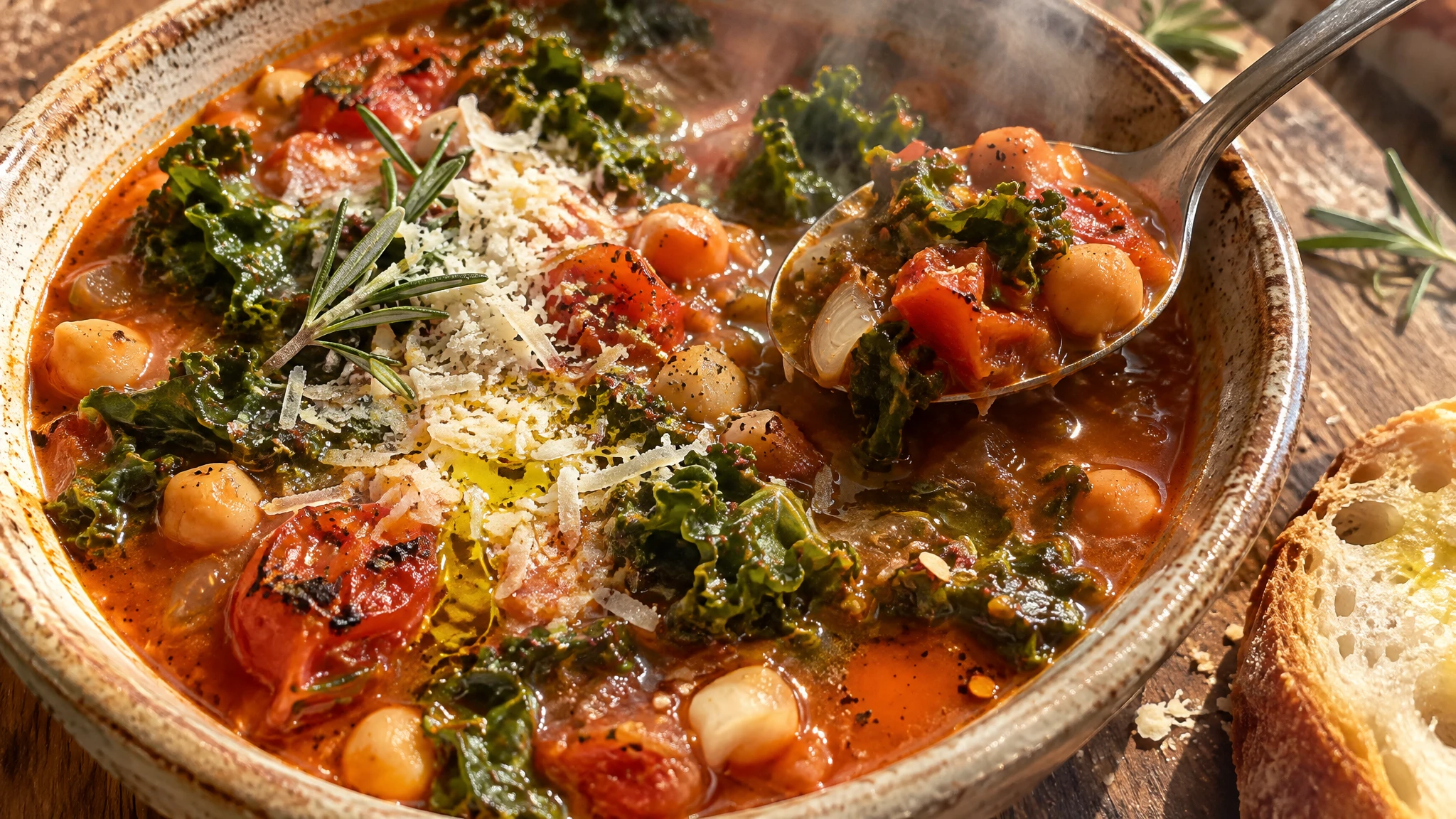
There’s something incredibly comforting about a bowl of hearty soup that warms you from the inside out, and this Tuscan chickpea soup does exactly that. I love how this recipe brings together the rustic flavors of Tuscany—tender chickpeas, vibrant kale, and smoky fire-roasted tomatoes—in one satisfying pot. It’s the kind of soup that feels like a warm hug on a chilly evening, yet it’s light enough to enjoy year-round.
What makes this soup truly special is its simplicity. With just a handful of wholesome ingredients and straightforward preparation, you can create a restaurant-quality dish right in your own kitchen. The fire-roasted tomatoes add a subtle smokiness that elevates the entire flavor profile, while the chickpeas provide protein and a creamy texture when partially mashed. I find that this soup strikes the perfect balance between hearty and healthy, making it ideal for weeknight dinners or meal prep.
Whether you’re looking for a nourishing vegan meal, trying to incorporate more plant-based dishes into your routine, or simply craving the comforting flavors of Italian cuisine, this Tuscan chickpea soup delivers on all fronts. It’s budget-friendly, nutritious, and incredibly satisfying—everything I look for in a go-to dinner recipe.
Why You’ll Love This Tuscan Chickpea Soup
This soup checks all the boxes for a winning weeknight meal. First and foremost, it’s incredibly easy to make. You don’t need any special cooking skills or fancy equipment—just a large pot and about 40 minutes from start to finish. I love recipes that deliver maximum flavor with minimal effort, and this one certainly qualifies.
The nutritional profile is another major selling point. Chickpeas are packed with plant-based protein and fiber, keeping you satisfied for hours. Kale adds a boost of vitamins A, C, and K, while the vegetables provide additional nutrients and texture. It’s naturally vegan and can easily be made gluten-free, making it suitable for various dietary preferences.
I also appreciate how budget-friendly this recipe is. Canned chickpeas and fire-roasted tomatoes are pantry staples that are both affordable and convenient. The fresh vegetables are inexpensive and readily available at any grocery store. You’re getting a nutritious, filling meal that won’t break the bank.
The flavor development in this soup is remarkable considering how simple it is. The aromatic base of onion, carrots, and celery (known as soffritto in Italian cooking) creates a foundation of savory depth. The garlic and Italian herbs infuse the broth with classic Tuscan flavors, while the fire-roasted tomatoes contribute a subtle smokiness that makes this soup taste like it’s been simmering for hours.
Ingredients and Substitutions
Let me walk you through the key ingredients and offer some helpful substitutions to make this recipe work for you.
Chickpeas: I use canned chickpeas for convenience, but you can absolutely use dried chickpeas if you prefer. You’ll need about 1½ cups of dried chickpeas, which should be soaked overnight and cooked until tender before adding to the soup. Canned chickpeas save significant time and work beautifully in this recipe.
Kale: Fresh kale is my preferred choice because it holds up well during cooking and adds a lovely texture. If you can’t find kale, spinach makes an excellent substitute, though it will cook down more quickly—add it in the last 2-3 minutes. Swiss chard or collard greens also work well and provide similar nutritional benefits.
Fire-Roasted Tomatoes: These add a distinctive smoky flavor that really elevates the soup. If you can’t find fire-roasted tomatoes, regular diced tomatoes will work, though you’ll miss some of that depth. You could add a tiny pinch of smoked paprika to regular tomatoes to approximate the flavor.
Vegetable Broth: I recommend using a good-quality vegetable broth for the best flavor. You can substitute chicken broth if you’re not keeping the soup vegan, or use water with a bouillon cube in a pinch. Low-sodium broth gives you better control over the final seasoning.
Aromatics and Vegetables: The combination of onion, carrots, celery, and garlic creates the flavor foundation. These are pretty standard and hard to substitute, but if you’re missing one element, the soup will still turn out well. I wouldn’t skip the garlic, though—it’s essential for that authentic Italian flavor.
Herbs and Spices: Dried oregano and basil are classic Italian herbs that work perfectly here. If you have fresh herbs, you can use about three times the amount of dried. The red pepper flakes add a gentle warmth without making the soup spicy. Adjust to your heat preference or omit entirely for a milder version.
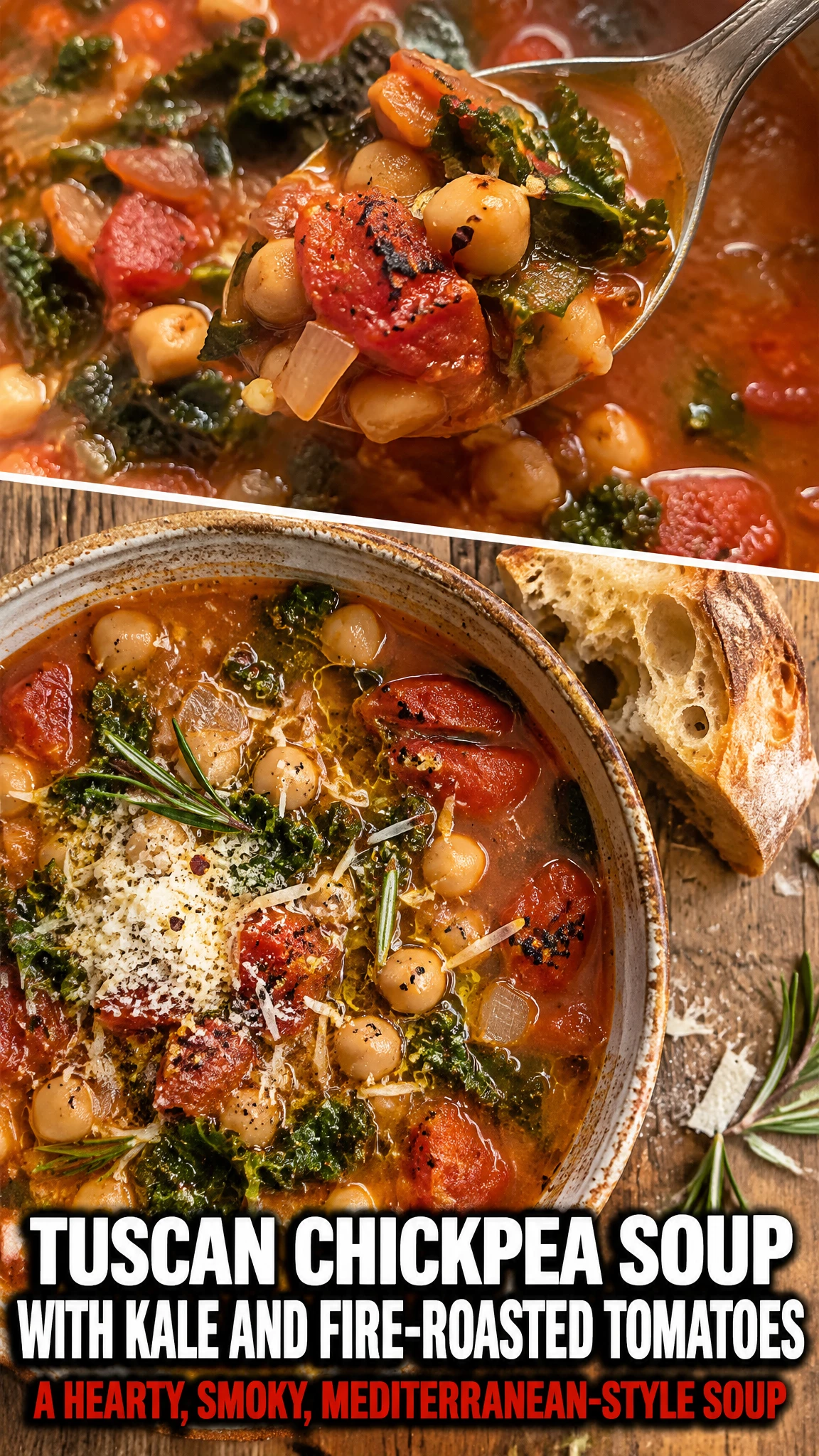
How to Make Tuscan Chickpea Soup
The preparation process is straightforward and follows a logical progression that builds flavor at each step.
Start by prepping all your ingredients. Drain and rinse the chickpeas thoroughly—this removes excess sodium and any canned taste. Remove the tough stems from the kale and chop the leaves into bite-sized pieces. Dice your onion, carrots, and celery into relatively uniform pieces so they cook evenly. Mince the garlic finely so it distributes throughout the soup.
Heat your olive oil in a large Dutch oven or heavy-bottomed pot over medium heat. Once the oil is shimmering, add the diced onion, carrots, and celery. This classic vegetable trio is the foundation of countless Italian dishes. Sauté these vegetables for 5-6 minutes, stirring occasionally, until they begin to soften and the onion becomes translucent. I find that taking the time to properly soften these aromatics makes a noticeable difference in the final flavor.
Add the minced garlic, dried oregano, dried basil, and red pepper flakes to the pot. Stir constantly for about one minute. This brief cooking time is crucial—you want the garlic to become fragrant and the dried herbs to bloom, releasing their essential oils, but you don’t want the garlic to burn, which would make it bitter.
Stir in the fire-roasted diced tomatoes along with all their juices. Cook for about 2 minutes, allowing the tomatoes to break down slightly and meld with the aromatic base. This step intensifies the tomato flavor and helps create a richer broth.
Add the chickpeas and vegetable broth to the pot. Increase the heat to bring the mixture to a boil, then reduce the heat to maintain a gentle simmer. Let the soup simmer uncovered for 15-20 minutes. This simmering time allows the flavors to meld and the vegetables to become fully tender.
Here’s a technique I love: using a potato masher or the back of a wooden spoon, mash about one cup of the chickpeas against the side of the pot. This releases their starches into the broth, creating a naturally creamy, thicker consistency without adding any cream or flour. It’s a simple trick that transforms the texture of the soup.
Stir in the chopped kale and cook for 5-7 minutes until it’s tender but still vibrant green. Kale takes a bit longer to cook than spinach, so don’t rush this step. The kale should be wilted and tender but not mushy.
Finally, season the soup with salt and black pepper to taste. Start with the amounts listed in the recipe and adjust based on your preference and the saltiness of your broth. I like to taste the soup at this stage and adjust the seasoning as needed—sometimes I add a bit more red pepper flakes or a squeeze of lemon juice for brightness.
Expert Tips for Best Results
After making this soup many times, I’ve picked up a few tips that ensure perfect results every time.
Don’t skip the mashing step. Partially mashing some of the chickpeas is what gives this soup its signature creamy texture. It creates body and richness without any dairy or thickeners. I recommend mashing about one-quarter to one-third of the chickpeas for the ideal consistency.
Use quality fire-roasted tomatoes. Since the tomatoes play a starring role in this soup, their quality matters. I find that brands like Muir Glen or Hunt’s fire-roasted tomatoes deliver the best smoky flavor. The difference is noticeable compared to regular canned tomatoes.
Adjust the consistency to your preference. If you like a brothier soup, use the full 5 cups of vegetable broth or even add a bit more. For a thicker, stew-like consistency, use slightly less broth or simmer the soup a bit longer to reduce the liquid. You can always add more broth if needed.
Season in stages. I recommend seasoning lightly during cooking and then adjusting at the end. The broth and canned tomatoes already contain sodium, so it’s easy to over-salt if you’re not careful. Taste before serving and adjust the seasoning then.
Let the flavors develop. While this soup is delicious immediately, I find it tastes even better the next day after the flavors have had time to meld. If you have time, make it a few hours ahead or even the day before serving.
Add a finishing touch. A drizzle of good extra-virgin olive oil, a sprinkle of Parmesan cheese (if not keeping it vegan), or a squeeze of fresh lemon juice right before serving can brighten the flavors and add an extra layer of deliciousness.
Serving Suggestions
This Tuscan chickpea soup is hearty enough to serve as a complete meal, but there are several ways to round out the experience.
My favorite way to serve this soup is with crusty Italian bread or a warm baguette for dipping. The bread is perfect for soaking up the flavorful broth and makes the meal even more satisfying. Garlic bread or focaccia also pair beautifully with this soup.
For a lighter accompaniment, I like to serve a simple green salad with a lemon vinaigrette. The bright, acidic dressing complements the rich, savory soup nicely. A Caesar salad or arugula salad with shaved Parmesan also works well.
If you’re not keeping the soup vegan, a sprinkle of freshly grated Parmesan or Pecorino Romano cheese adds a salty, umami-rich finish. A dollop of pesto stirred into each bowl creates a beautiful presentation and adds fresh basil flavor.
For a heartier meal, serve the soup alongside a grilled cheese sandwich or panini. The combination of soup and sandwich is classic comfort food that never disappoints. You could also serve it with white bean and kale soup for a soup-tasting dinner party.
I recommend serving the soup in wide, shallow bowls to showcase the beautiful ingredients. Garnish with fresh herbs like parsley or basil, a drizzle of olive oil, and freshly cracked black pepper for an elegant presentation.
Variations and Substitutions
One of the things I love about this recipe is how adaptable it is. Here are some variations to try:
Add protein: While the chickpeas provide plant-based protein, you can add cooked Italian sausage, shredded chicken, or white beans for additional protein. If using sausage, brown it first and remove it from the pot before sautéing the vegetables, then add it back with the broth.
Make it creamy: For a creamier version, stir in a splash of heavy cream or coconut milk at the end. You could also blend half the soup and stir it back into the pot for a partially pureed texture.
Change up the greens: As mentioned earlier, spinach, Swiss chard, or collard greens all work well in place of kale. Each brings a slightly different flavor and texture to the soup.
Add more vegetables: Diced zucchini, bell peppers, or green beans make excellent additions. Add them with the carrots and celery so they have time to cook through.
Use different beans: Cannellini beans, navy beans, or great northern beans can replace or supplement the chickpeas. You might enjoy trying Moroccan chickpea soup for a different flavor profile using similar ingredients.
Spice it up: For more heat, increase the red pepper flakes or add a diced jalapeño with the other vegetables. A dash of hot sauce at serving time also works well.
Make it gluten-free: This soup is naturally gluten-free as written. Just verify that your vegetable broth is certified gluten-free if that’s a concern.
Storage, Freezing, and Reheating
This soup stores exceptionally well, making it perfect for meal prep or batch cooking.
Refrigerator storage: Allow the soup to cool completely, then transfer it to an airtight container. It will keep in the refrigerator for 4-5 days. The flavors actually improve over time, so don’t hesitate to make this ahead. The soup may thicken as it sits—simply add a splash of broth or water when reheating to reach your desired consistency.
Freezing: This soup freezes beautifully for up to 3 months. I recommend freezing it in individual portions for easy weeknight meals. Use freezer-safe containers or heavy-duty freezer bags, leaving some space at the top for expansion. Label with the date and contents. The kale may become slightly softer after freezing, but the flavor remains excellent.
Reheating: To reheat refrigerated soup, simply warm it in a pot over medium heat, stirring occasionally, until heated through. You can also microwave individual portions in 1-2 minute intervals, stirring between each interval. For frozen soup, I recommend thawing it overnight in the refrigerator before reheating, though you can reheat it directly from frozen over low heat—just allow extra time and stir frequently to prevent scorching.
If the soup seems too thick after storage, thin it with additional vegetable broth or water. Taste and adjust the seasonings after reheating, as flavors can mellow during storage.
Frequently Asked Questions
Can I use dried chickpeas instead of canned?
Yes, absolutely. You’ll need about 1½ cups of dried chickpeas. Soak them overnight, drain, then cook in fresh water until tender (about 1-2 hours). Use the cooked chickpeas in place of canned chickpeas in the recipe.
Is this soup spicy?
No, the red pepper flakes add warmth and depth rather than significant heat. If you’re sensitive to spice, you can reduce or omit them entirely. The soup will still be flavorful without them.
Can I make this in a slow cooker?
Yes, though I recommend sautéing the vegetables and aromatics in a skillet first for better flavor development. Transfer everything to the slow cooker and cook on low for 6-8 hours or high for 3-4 hours. Add the kale during the last 30 minutes of cooking.
How can I make this soup thicker?
Mash more of the chickpeas against the side of the pot, or use an immersion blender to partially puree the soup. You can also simmer it longer uncovered to reduce the liquid, or add a slurry of cornstarch and water.
What if I don’t have fire-roasted tomatoes?
Regular diced tomatoes will work fine, though you’ll lose some of the smoky depth. Consider adding a pinch of smoked paprika to approximate the flavor.
Can I add pasta to this soup?
Absolutely! Small pasta shapes like ditalini, orzo, or small shells work well. Add them during the last 10-12 minutes of simmering and add extra broth as needed, since the pasta will absorb liquid.
Is this soup vegan?
Yes, this recipe is completely vegan as written. Just make sure your vegetable broth is vegan (some brands contain animal products).
Tuscan Chickpea Soup with Kale and Fire-Roasted Tomatoes
This hearty Tuscan chickpea soup features tender chickpeas, fresh kale, fire-roasted tomatoes, garlic, and Italian herbs in a flavorful vegetable broth. It’s a nutritious, satisfying vegan meal that’s perfect for weeknight dinners.
- Prep Time: 15 minutes
- Cook Time: 30 minutes
- Total Time: 45 minutes
- Servings: 6 servings
- Difficulty: Easy
- Cuisine: Italian
- Course: Dinner
Ingredients
- 2 cans (15 oz each) chickpeas, drained and rinsed
- 3 cups fresh kale, chopped
- 1 can (14.5 oz) fire-roasted diced tomatoes
- 1 medium yellow onion, diced
- 4 garlic cloves, minced
- 2 medium carrots, diced
- 2 celery stalks, diced
- 5 cups vegetable broth
- 2 tablespoons olive oil
- 1 teaspoon dried oregano
- 1 teaspoon dried basil
- 1/4 teaspoon red pepper flakes
- 1/2 teaspoon salt
- 1/4 teaspoon black pepper
Instructions
- Drain and rinse the chickpeas, remove the tough stems from the kale and chop the leaves, and dice all the vegetables as specified.
- Heat olive oil in a large Dutch oven or heavy-bottomed pot over medium heat. Add the diced onion, carrots, and celery and sauté for 5-6 minutes, stirring occasionally, until the vegetables begin to soften and the onion becomes translucent.
- Add the minced garlic, dried oregano, dried basil, and red pepper flakes to the pot. Cook for 1 minute, stirring constantly, until fragrant.
- Stir in the fire-roasted diced tomatoes with their juices and cook for 2 minutes, allowing the tomatoes to break down slightly.
- Add the chickpeas and vegetable broth to the pot. Increase heat to bring the mixture to a boil, then reduce heat to maintain a gentle simmer. Cook uncovered for 15-20 minutes.
- Using a potato masher or the back of a wooden spoon, mash approximately 1 cup of the chickpeas against the side of the pot to create a slightly thicker, creamier broth.
- Stir in the chopped kale and cook for 5-7 minutes until the kale is tender and wilted but still vibrant green.
- Season the soup with salt and black pepper, tasting and adjusting as needed. Serve warm with crusty bread if desired.
Recipe Notes
- The soup thickens as it sits. Add extra broth or water when reheating to reach your desired consistency.
- For a creamier soup, mash more chickpeas or use an immersion blender to partially puree the soup.
- Adjust the red pepper flakes to your heat preference. Omit entirely for a completely mild soup.
- Fresh herbs can be substituted for dried—use about 1 tablespoon each of fresh oregano and basil, added at the end of cooking.
- A squeeze of fresh lemon juice or a drizzle of extra-virgin olive oil before serving brightens the flavors beautifully.
- This soup is naturally vegan and gluten-free. Verify your vegetable broth is certified if needed.
Nutrition Information (per serving, estimated)
- Calories: 215
- Carbohydrates: 32g
- Protein: 9g
- Fat: 6g
- Saturated Fat: 1g
- Fiber: 8g
- Sugar: 7g
- Sodium: 685mg
Nutrition information is estimated based on standard ingredient values and serving sizes. Actual nutritional content may vary based on specific brands used and portion sizes.
