
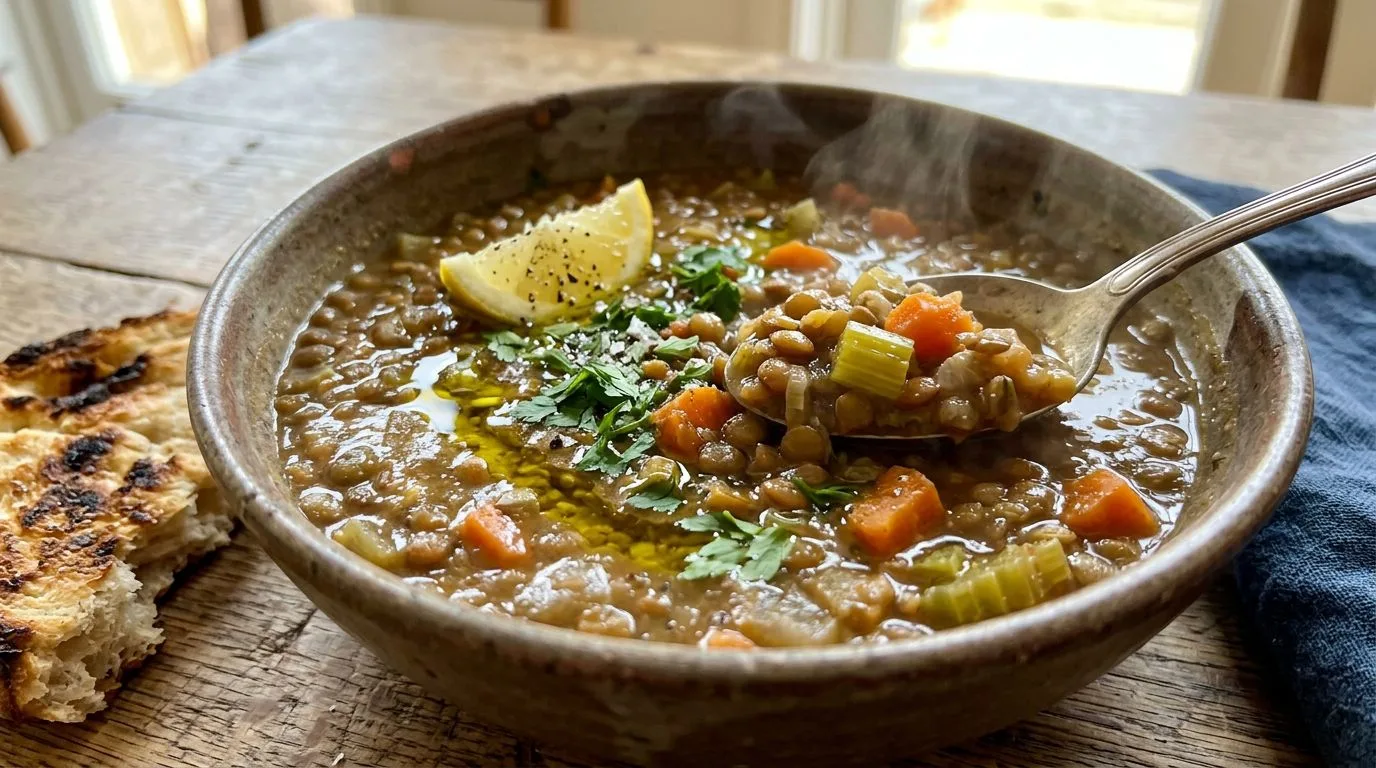
There’s something incredibly comforting about a bowl of homemade lentil soup, especially on a chilly evening when you need something warm, nourishing, and satisfying. I love how this recipe transforms simple, affordable ingredients into a deeply flavorful meal that’s packed with plant-based protein and fiber. Unlike many soups that require hours of simmering or complicated techniques, this lentil soup comes together in under an hour with minimal effort.
What makes this lentil soup truly special is the combination of earthy lentils, sweet carrots, aromatic vegetables, and a blend of warming spices like cumin and smoked paprika. The addition of tomatoes adds a subtle tanginess that balances the earthiness of the lentils perfectly, while a splash of fresh lemon juice at the end brightens every spoonful. I find that this soup actually tastes even better the next day, making it an ideal make-ahead meal for busy weeknights or meal prep sessions.
Whether you’re looking for a healthy vegetarian dinner option, trying to incorporate more plant-based meals into your routine, or simply craving a bowl of something hearty and wholesome, this lentil soup delivers on all fronts. It’s budget-friendly, nutritious, and versatile enough to adapt to whatever vegetables you have on hand.
Why You’ll Love This Lentil Soup Recipe
This lentil soup has become one of my go-to recipes for several compelling reasons. First and foremost, it’s incredibly nutritious without sacrificing flavor. Lentils are a nutritional powerhouse, offering substantial protein, fiber, iron, and folate in every serving. Combined with the vegetables and aromatic spices, you get a complete meal that truly nourishes your body.
I also appreciate how forgiving this recipe is for home cooks of all skill levels. Unlike beans that require overnight soaking, lentils cook relatively quickly and don’t need any advance preparation beyond a quick rinse. The cooking process is straightforward—sauté the aromatics, add the remaining ingredients, and let everything simmer until tender. There’s no complicated technique or precise timing required.
The budget-friendly nature of this soup makes it practical for everyday cooking. Lentils are one of the most affordable protein sources available, and the other ingredients are basic pantry and refrigerator staples. You can easily make a large batch that feeds a family or provides several days of leftovers for a fraction of what you’d spend on takeout or restaurant meals.
Another reason I love this recipe is its versatility. The base recipe is delicious as written, but it also serves as a blank canvas for customization. You can adjust the spices to suit your taste preferences, add different vegetables based on what’s in season, or incorporate greens like spinach or kale for extra nutrition. It’s the kind of recipe that adapts to your needs rather than requiring you to shop for specific ingredients.
Ingredients and Substitutions
The beauty of this lentil soup lies in its simple, wholesome ingredients that work together to create complex flavors. Let me walk you through each component and offer some practical substitutions.
Lentils: I recommend using brown or green lentils for this soup because they hold their shape well during cooking and provide a satisfying, hearty texture. Brown lentils are the most common variety and work perfectly here. Green lentils, sometimes called French lentils or Puy lentils, have a slightly peppery flavor and firmer texture. Avoid red or yellow lentils for this particular recipe, as they break down quickly and create a mushier consistency—though they’re excellent for pureed lentil soups.
Vegetables: The classic mirepoix of carrots, celery, and onion forms the aromatic base of this soup. These vegetables add sweetness, depth, and texture. If you don’t have celery, you can substitute with additional carrots or add diced bell peppers. Yellow or white onions work best, but red onions can also be used in a pinch. The garlic is essential for flavor, so I don’t recommend omitting it, but you can use garlic powder (about 1/2 teaspoon) if fresh garlic isn’t available.
Tomatoes: Canned diced tomatoes provide acidity and umami that balance the earthiness of the lentils. You can substitute with crushed tomatoes, fresh diced tomatoes (about 2 cups), or even tomato sauce. Fire-roasted diced tomatoes add an extra layer of smoky flavor that I particularly enjoy.
Broth: Vegetable broth keeps this soup vegetarian and adds savory depth. You can substitute with chicken broth if you’re not vegetarian, or simply use water with an extra pinch of salt and perhaps a splash of soy sauce for umami. Low-sodium broth gives you better control over the final seasoning.
Spices: The combination of cumin, smoked paprika, and thyme creates a warm, slightly smoky flavor profile. Regular paprika can replace smoked paprika, though you’ll lose some depth. Fresh thyme (about 1 tablespoon) can replace dried. Feel free to add other spices like coriander, turmeric, or a pinch of cayenne for heat.
Finishing touches: The lemon juice brightens the entire soup and is truly transformative—don’t skip it! Fresh parsley adds color and freshness, but cilantro or fresh basil also work beautifully.
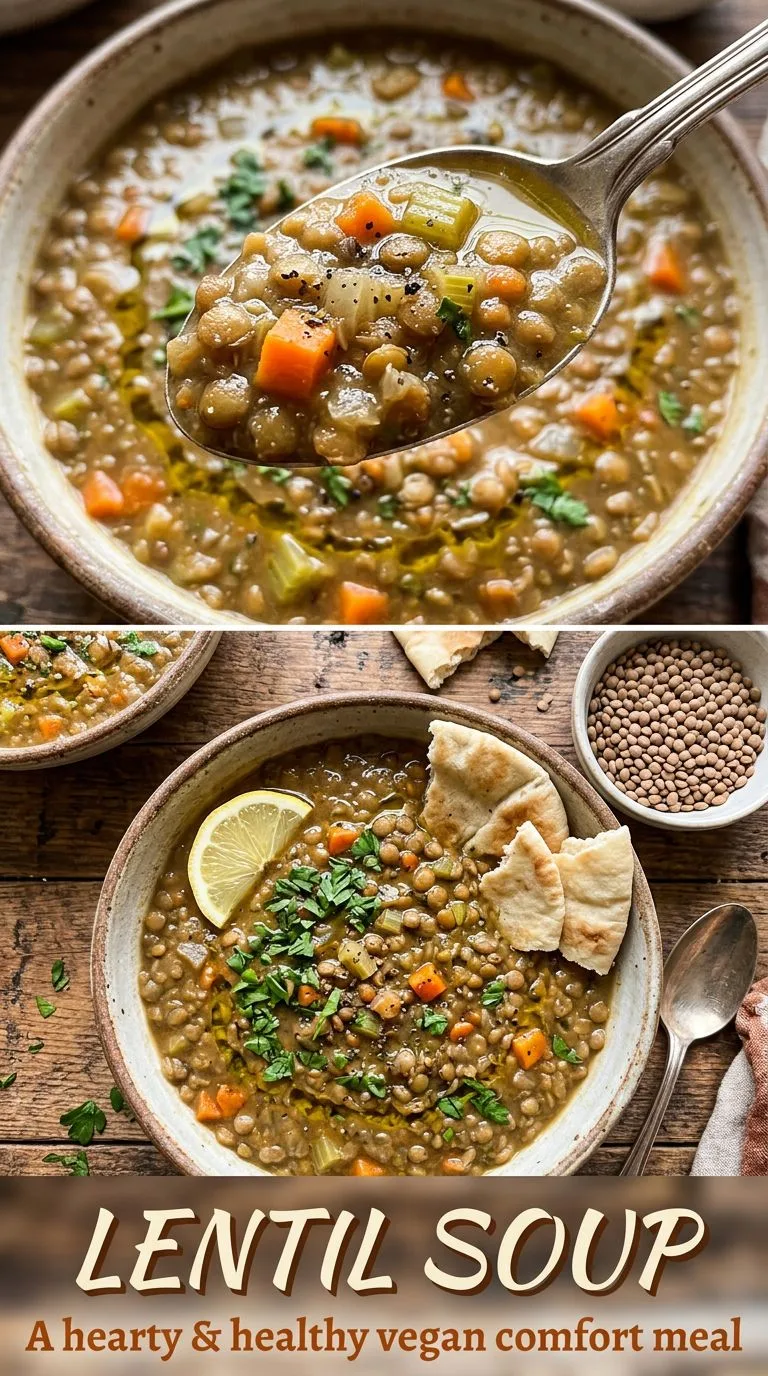
How to Make Lentil Soup
Making this lentil soup is a straightforward process that yields impressive results. I’ll guide you through each step to ensure your soup turns out perfectly.
Step 1: Prepare the lentils. Start by rinsing your lentils thoroughly under cold running water in a fine-mesh strainer. This removes any dust or debris and helps ensure clean-tasting soup. Sort through them quickly to remove any small stones or damaged lentils, though this is rarely necessary with modern packaged lentils.
Step 2: Sauté the aromatics. Heat the olive oil in a large soup pot or Dutch oven over medium heat. Once the oil is shimmering, add the diced onion, carrots, and celery. I like to season these vegetables with a small pinch of salt at this stage, which helps draw out moisture and speeds up the softening process. Sauté for 5-7 minutes, stirring occasionally, until the vegetables are softened and the onion becomes translucent. You’re building the flavor foundation here, so don’t rush this step.
Step 3: Add the spices. Stir in the minced garlic, cumin, smoked paprika, and thyme. Cook for about 1 minute, stirring constantly, until the spices become fragrant. This brief toasting step intensifies the spice flavors and ensures they’re evenly distributed throughout the soup. Be careful not to let the garlic burn, as it can turn bitter.
Step 4: Add the remaining ingredients. Add the rinsed lentils, diced tomatoes with their juices, vegetable broth, bay leaf, salt, and black pepper to the pot. Stir everything together to combine. The mixture will look quite liquid at this point, but the lentils will absorb a significant amount as they cook.
Step 5: Simmer the soup. Bring the soup to a boil over high heat, then reduce the heat to maintain a gentle simmer. Cover the pot partially—leaving it slightly ajar allows some steam to escape and prevents the soup from boiling over while still retaining moisture. Simmer for 30-40 minutes, stirring occasionally, until the lentils are tender but not mushy. The exact cooking time depends on the age and type of your lentils, so start checking around the 30-minute mark.
Step 6: Adjust the consistency. If you prefer a thicker, creamier soup, use an immersion blender to partially blend the soup directly in the pot, or transfer 1-2 cups of the soup to a regular blender, puree it, and return it to the pot. I like to blend just enough to thicken the broth while leaving plenty of whole lentils and vegetables for texture. If your soup becomes too thick, simply add more broth or water to reach your desired consistency.
Step 7: Finish and serve. Remove the bay leaf and discard it. Stir in the fresh lemon juice—this is a crucial step that brightens all the flavors. Taste the soup and adjust the seasoning with additional salt, pepper, or lemon juice as needed. Ladle the soup into bowls and garnish with freshly chopped parsley.
Expert Tips for Best Results
After making countless batches of lentil soup, I’ve learned several techniques that consistently produce the best results.
Don’t skip the sauté step. Taking the time to properly sauté your aromatics in olive oil develops a flavor foundation that simply can’t be achieved by throwing everything into the pot at once. The gentle cooking caramelizes the natural sugars in the vegetables and creates depth.
Season in layers. I recommend seasoning at multiple stages rather than adding all the salt at the end. A pinch of salt when sautéing the vegetables, the measured amount when adding the broth, and a final adjustment before serving ensures well-seasoned soup throughout.
Use quality broth. Since broth makes up the majority of the liquid in this soup, its quality significantly impacts the final flavor. I prefer low-sodium vegetable broth because it allows better control over seasoning. If you have homemade vegetable or chicken stock, even better.
Don’t overcook the lentils. Lentils should be tender but still hold their shape. Overcooked lentils become mushy and lose their pleasant texture. Start checking for doneness around the 30-minute mark, and remember that they’ll continue to soften slightly as the soup sits.
Add the lemon juice at the end. Acidic ingredients like lemon juice should be added after cooking to preserve their bright, fresh flavor. Adding them too early can dull their impact and may also toughen the lentils slightly.
Let it rest. If time allows, let the soup rest for 10-15 minutes before serving. This allows the flavors to meld and the soup to thicken slightly as the lentils continue to absorb liquid. The soup also tastes even better the next day after the flavors have had more time to develop.
Adjust consistency to preference. Some people prefer a brothy soup, while others like it thick and stew-like. You have complete control over the consistency by adjusting the amount of liquid or by partially blending the soup.
Serving Suggestions
This hearty lentil soup is satisfying enough to serve as a complete meal, but I love pairing it with complementary sides that round out the dining experience.
My favorite way to serve this soup is with crusty bread for dipping. A warm baguette, sourdough bread, or garlic bread is perfect for soaking up the flavorful broth. For a lighter option, serve it alongside a simple green salad dressed with lemon vinaigrette, which echoes the bright citrus notes in the soup.
For a more substantial meal, I recommend serving the soup with a grilled cheese sandwich or quesadillas. The combination of warm, comforting soup and melty cheese is unbeatable. You might also enjoy it with easy vegetable soup as part of a soup-focused meal prep session.
Consider topping each bowl with additional garnishes that add flavor and texture. A dollop of Greek yogurt or sour cream adds creaminess and tang. Crumbled feta cheese provides salty, tangy contrast. A drizzle of good-quality olive oil adds richness. Toasted pumpkin seeds or sunflower seeds contribute crunch. Fresh herbs beyond parsley—like cilantro, dill, or basil—offer aromatic freshness.
For a Mediterranean-inspired presentation, serve the soup with a side of hummus, olives, and pita bread. The combination creates a satisfying, plant-based meal with varied textures and complementary flavors.
This soup also works beautifully as part of a larger spread. Include it alongside other warming dishes like creamy Tuscan white bean soup for a soup bar at casual gatherings or potlucks.
Variations and Substitutions
One of the aspects I appreciate most about this lentil soup is how easily it adapts to different flavor profiles and dietary needs.
Mediterranean variation: Add 1/2 teaspoon of dried oregano along with the other spices. Stir in a handful of chopped fresh spinach during the last 5 minutes of cooking. Top with crumbled feta cheese and a drizzle of olive oil before serving.
Indian-spiced variation: Replace the cumin and paprika with curry powder or garam masala. Add 1/2 teaspoon of turmeric for color and anti-inflammatory benefits. Stir in a can of coconut milk during the last 10 minutes for a creamy, rich texture. Garnish with fresh cilantro instead of parsley.
Italian-style variation: Add 1/2 teaspoon of dried basil and oregano. Include a parmesan rind while the soup simmers for extra umami (remove before serving). Stir in fresh baby spinach or chopped kale during the last few minutes. Top with grated parmesan cheese.
Smoky variation: Increase the smoked paprika to 2 teaspoons. Add 1/4 teaspoon of liquid smoke. Include diced smoked turkey or ham for a non-vegetarian version with deep, smoky flavor.
Spicy variation: Add 1/2 teaspoon of red pepper flakes or a diced jalapeño when sautéing the vegetables. Stir in a teaspoon of harissa paste or your favorite hot sauce. Top with sliced fresh jalapeños or a drizzle of sriracha.
Protein boost: While lentils already provide substantial protein, you can add cooked chicken, turkey sausage, or crispy bacon for additional protein and flavor. Stir in cooked protein during the last 10 minutes of cooking to heat through.
Extra vegetables: This soup welcomes additional vegetables. Try adding diced potatoes, sweet potatoes, zucchini, bell peppers, or butternut squash. Leafy greens like spinach, kale, or Swiss chard can be stirred in during the last 5 minutes of cooking.
Grain addition: For an even heartier soup, add 1/2 cup of uncooked rice, quinoa, or small pasta during the last 20 minutes of cooking. You may need to add extra broth to accommodate the additional grain.
Storage, Freezing, and Reheating
This lentil soup stores exceptionally well, making it perfect for meal prep and batch cooking.
Refrigerator storage: Allow the soup to cool completely before transferring it to airtight containers. Properly stored, the soup will keep in the refrigerator for 4-5 days. I find that the flavors actually improve after a day or two as they continue to meld. The soup will thicken considerably as it sits because the lentils continue to absorb liquid. Simply add a splash of broth or water when reheating to return it to your desired consistency.
Freezing: This soup freezes beautifully for up to 3 months. Let it cool completely, then transfer to freezer-safe containers or heavy-duty freezer bags. I recommend freezing in portion-sized containers for easy single-serving meals. Leave about an inch of headspace in containers to allow for expansion during freezing. Label containers with the date and contents.
Thawing: For best results, thaw frozen soup overnight in the refrigerator. If you need to thaw it more quickly, you can place the sealed container in a bowl of cold water, changing the water every 30 minutes until thawed.
Reheating: Reheat refrigerated or thawed soup in a pot on the stovetop over medium heat, stirring occasionally, until heated through. Add additional broth or water as needed to adjust the consistency. You can also reheat individual portions in the microwave—heat on high for 2-3 minutes, stirring halfway through. The soup should reach an internal temperature of 165°F (74°C) for food safety.
Make-ahead tips: You can prepare this soup up to 3 days in advance. In fact, I often make it specifically to have ready-to-eat meals throughout the week. The flavors develop and deepen over time, making day-old lentil soup particularly delicious. If you’re meal prepping, consider storing the garnishes separately and adding them fresh when serving for the best texture and flavor.
Frequently Asked Questions
Do I need to soak lentils before making soup? No, lentils don’t require soaking before cooking, which is one of the reasons I love using them. Unlike dried beans, lentils cook relatively quickly without any advance preparation. Simply rinse them under cold water to remove any dust or debris, and they’re ready to use.
Why is my lentil soup watery? If your soup is too thin, continue simmering it uncovered for 10-15 minutes to allow some liquid to evaporate and the lentils to absorb more broth. Alternatively, partially blend the soup to release starches from the lentils, which will naturally thicken the broth. You can also mash some of the lentils against the side of the pot with a wooden spoon.
Can I use red lentils instead of brown or green lentils? While you can use red lentils, they’ll create a very different texture. Red lentils break down quickly during cooking, resulting in a thicker, more porridge-like consistency rather than a soup with distinct lentils and vegetables. If you prefer a smooth, pureed soup, red lentils work well, but for this recipe’s intended texture, stick with brown or green lentils.
How can I add more flavor to my lentil soup? Beyond the spices in the recipe, try adding a parmesan rind while the soup simmers, using homemade stock instead of store-bought broth, adding a splash of balsamic vinegar or red wine, or finishing with high-quality olive oil. Properly sautéing the aromatics and toasting the spices also significantly impacts the final flavor.
Is lentil soup healthy? Yes, lentil soup is exceptionally nutritious. Lentils are high in protein, fiber, iron, folate, and other essential nutrients while being low in fat and calories. This soup is also packed with vegetables, making it a well-rounded, healthy meal. It’s naturally low in saturated fat and can easily be made low-sodium by using low-sodium broth and adjusting salt to taste.
Can I make this soup in a slow cooker? Absolutely. Sauté the aromatics and spices on the stovetop first for best flavor, then transfer everything to a slow cooker. Cook on low for 6-8 hours or on high for 3-4 hours, until the lentils are tender. Add the lemon juice and fresh parsley just before serving.
Why are my lentils still hard after cooking? If your lentils remain hard after the recommended cooking time, they may be old. Lentils can lose moisture over time, which extends their cooking time. Continue simmering until tender, adding more liquid if needed. Also, avoid adding acidic ingredients like tomatoes or lemon juice at the beginning, as acid can slow down the softening process—though in this recipe, the tomatoes are added early and the lentils still cook properly within the timeframe.
Can I make this soup oil-free? Yes, you can sauté the vegetables in a few tablespoons of vegetable broth or water instead of olive oil. The soup won’t have quite the same depth of flavor, but it will still be delicious and will reduce the overall fat content.
Lentil Soup Recipe
A nourishing, hearty lentil soup simmered with tender lentils, carrots, celery, tomatoes, and aromatic spices. This healthy, budget-friendly meal is packed with plant-based protein and comes together in under an hour for a satisfying dinner any night of the week.
Cook Time: 40 minutes
Total Time: 50 minutes
Servings: 6 servings
Difficulty: Easy
Cuisine: Mediterranean
Course: Dinner
Ingredients
- 1 1/2 cups dried brown or green lentils, rinsed
- 2 carrots, diced
- 2 celery stalks, diced
- 1 medium onion, chopped
- 3 cloves garlic, minced
- 1 can (14.5 oz) diced tomatoes
- 6 cups vegetable broth
- 2 tablespoons olive oil
- 1 teaspoon ground cumin
- 1 teaspoon smoked paprika
- 1/2 teaspoon dried thyme
- 1 bay leaf
- 1 tablespoon lemon juice
- 1/2 teaspoon salt
- 1/4 teaspoon black pepper
- 2 tablespoons fresh parsley, chopped
Instructions
- Rinse the lentils thoroughly under cold running water in a fine-mesh strainer. Remove any debris or damaged lentils. Set aside.
- Heat the olive oil in a large soup pot or Dutch oven over medium heat. Add the diced onion, carrots, and celery. Sauté for 5-7 minutes, stirring occasionally, until the vegetables are softened and the onion becomes translucent.
- Stir in the minced garlic, cumin, smoked paprika, and thyme. Cook for 1 minute, stirring constantly, until the spices become fragrant.
- Add the rinsed lentils, diced tomatoes with their juices, vegetable broth, bay leaf, salt, and black pepper to the pot. Stir to combine.
- Bring the soup to a boil over high heat, then reduce the heat to maintain a gentle simmer. Cover the pot partially and simmer for 30-40 minutes, stirring occasionally, until the lentils are tender.
- For a thicker texture, use an immersion blender to partially blend the soup, or transfer 1-2 cups of soup to a blender, puree, and return it to the pot. This step is optional.
- Remove and discard the bay leaf. Stir in the fresh lemon juice.
- Taste and adjust seasoning with additional salt, pepper, or lemon juice as needed.
- Ladle the soup into bowls and garnish with freshly chopped parsley before serving.
Recipe Notes
- The soup will thicken as it sits. Add additional broth or water when reheating to reach your desired consistency.
- For a creamier soup, blend a larger portion of the finished soup and return it to the pot.
- This soup tastes even better the next day after the flavors have had time to meld.
- Feel free to add other vegetables like diced potatoes, zucchini, or leafy greens during the last 10 minutes of cooking.
- Store leftovers in an airtight container in the refrigerator for up to 5 days or freeze for up to 3 months.
Estimated Nutrition Per Serving
(Based on 6 servings)
- Calories: 245 kcal
- Carbohydrates: 38g
- Protein: 14g
- Fat: 5g
- Saturated Fat: 1g
- Fiber: 16g
- Sugar: 6g
- Sodium: 680mg
Nutrition information is estimated and will vary based on specific ingredients used.
