
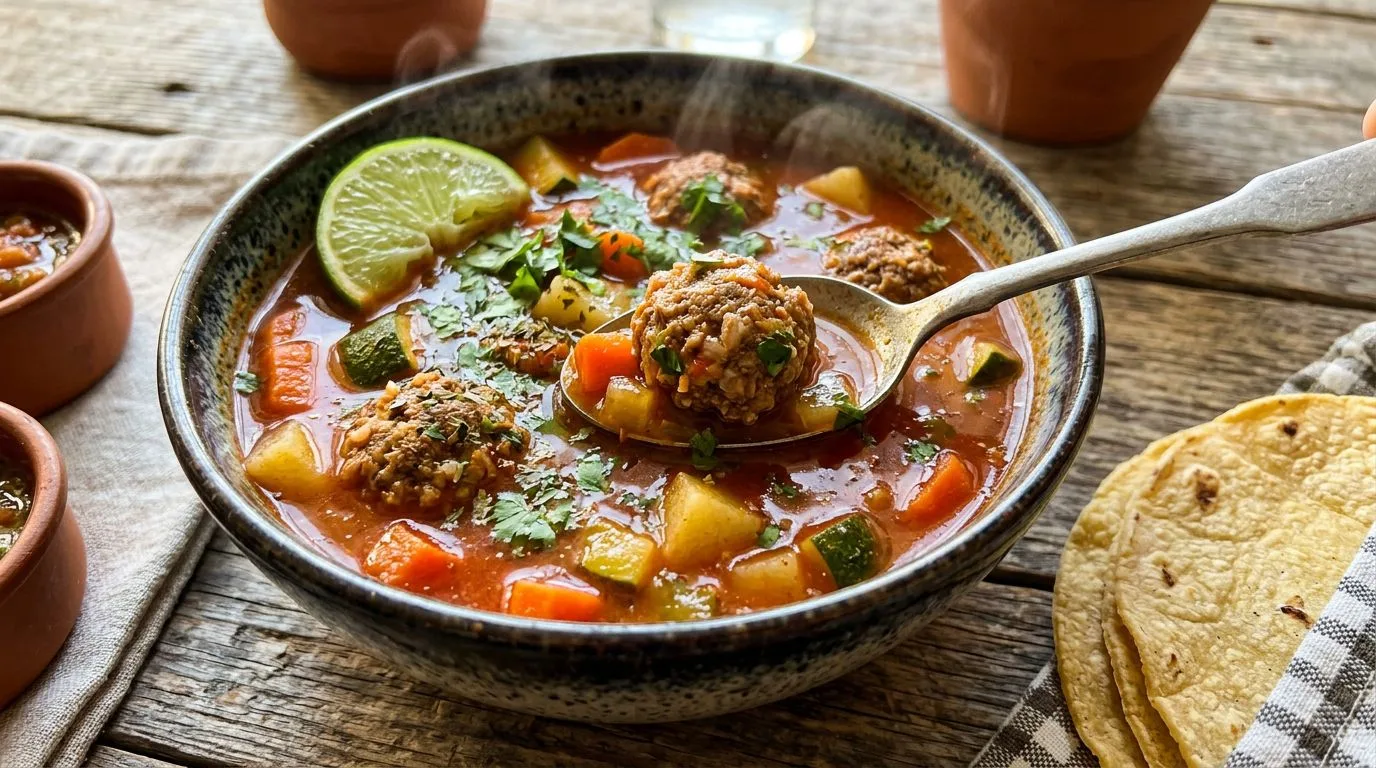
There’s something incredibly comforting about a steaming bowl of albondigas soup on a cool evening. This traditional Mexican meatball soup combines tender, flavorful meatballs made with ground beef and rice, simmered in a rich tomato-based broth alongside hearty vegetables. Unlike typical meatball soups, albondigas features meatballs with uncooked rice mixed right into the meat, which cooks inside the meatball and creates the most wonderful texture.
I love how this soup brings together simple, wholesome ingredients to create something truly special. The combination of cumin, oregano, and fresh cilantro gives the meatballs an authentic Mexican flavor, while the vegetables add color, nutrition, and substance to every spoonful. Whether you’re looking for a satisfying weeknight dinner or a dish to warm you from the inside out, this albondigas soup delivers on all fronts.
What makes this recipe particularly appealing is its one-pot simplicity. Once you’ve shaped the meatballs, everything comes together in a single pot, making cleanup a breeze. The result is a nourishing, flavorful soup that tastes like it took hours to prepare but is actually quite straightforward to make.
Why You’ll Love This Albondigas Soup Recipe
This Mexican meatball soup has earned its place as a beloved comfort food for good reasons. The meatballs themselves are incredibly juicy and flavorful, thanks to the combination of ground beef, fresh herbs, and aromatic spices. The uncooked rice mixed into the meatballs absorbs the savory broth as it cooks, creating a tender texture that’s distinctly different from traditional meatballs.
I find that this soup is wonderfully versatile and forgiving. It’s hearty enough to serve as a complete meal, packed with protein from the beef and plenty of vegetables for nutrition. The tomato-based broth is light yet flavorful, seasoned with cumin and oregano that give it that authentic Mexican character without being overly spicy.
Another reason I recommend this recipe is its make-ahead friendly nature. The flavors actually deepen and improve after a day in the refrigerator, making it perfect for meal prep or feeding a crowd. Plus, it’s a budget-friendly dish that uses affordable, accessible ingredients you can find at any grocery store.
Ingredients and Substitutions
The beauty of albondigas soup lies in its straightforward ingredient list. For the meatballs, you’ll need ground beef, uncooked white rice, an egg to bind everything together, minced garlic, fresh cilantro, and a blend of cumin, oregano, salt, and black pepper. I like to use 80/20 ground beef for the best flavor and moisture, though 85/15 works well if you prefer leaner meat.
The vegetables include carrots, potatoes, and zucchini—a classic combination that provides different textures and flavors. I recommend using Yukon Gold or russet potatoes, diced into bite-sized pieces. For the broth base, you’ll need beef broth, canned diced tomatoes, chopped onion, olive oil, and a finishing touch of fresh lime juice that brightens the entire soup.
If you need to make substitutions, ground turkey or a beef-turkey blend can replace the ground beef, though the flavor will be milder. Long-grain white rice is traditional, but you can use brown rice if you extend the cooking time by about 10 minutes. For a gluten-free version, this recipe is naturally gluten-free as written. If fresh cilantro isn’t your favorite, you can reduce the amount or substitute with fresh parsley, though it will change the authentic Mexican flavor profile.
Vegetable substitutions are quite flexible. Green beans, celery, or corn can be added or swapped for the zucchini. Some cooks like to add a diced jalapeño with the onions for a bit of heat. Chicken broth can replace beef broth if that’s what you have on hand, though beef broth provides a richer, more robust flavor that I prefer for this soup.
How to Make Albondigas Soup
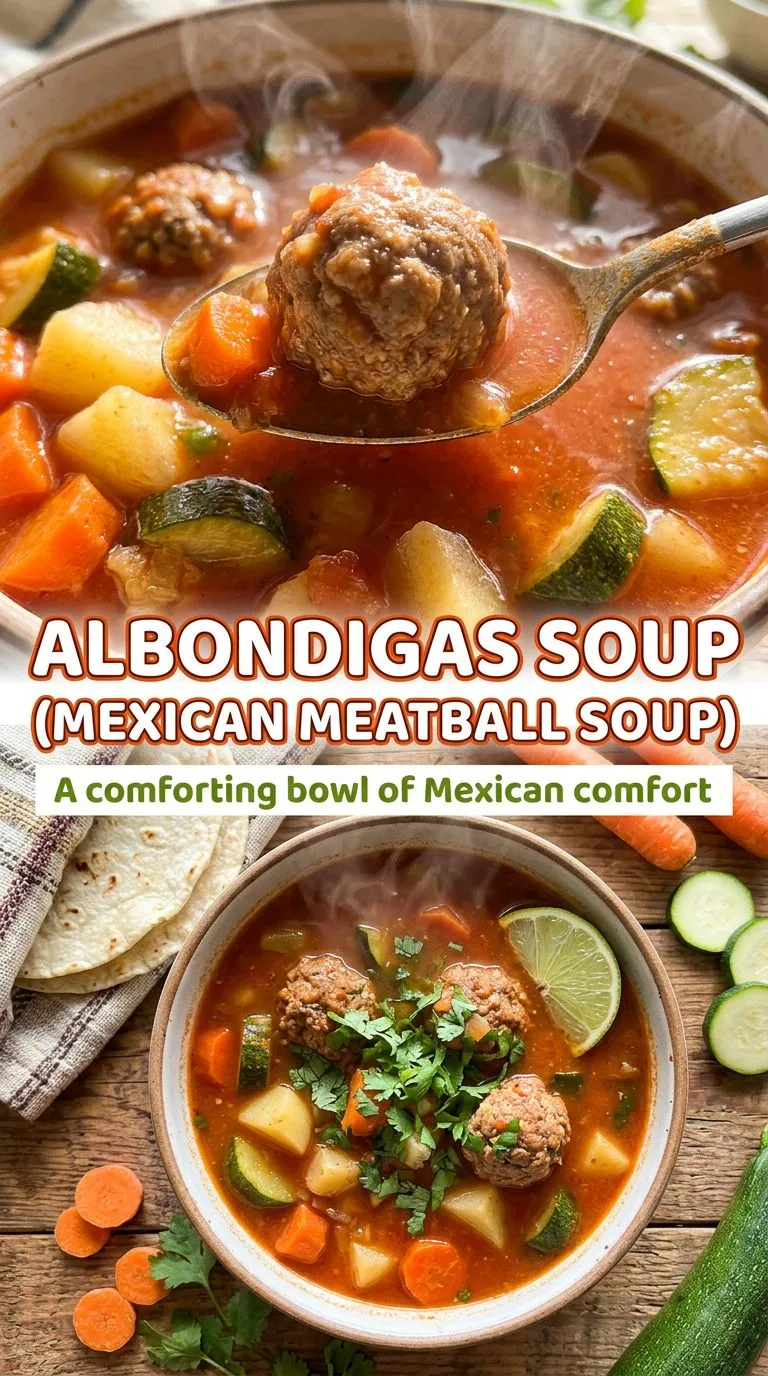
Making albondigas soup is a straightforward process that starts with preparing the meatballs. In a large mixing bowl, combine the ground beef, uncooked rice, beaten egg, minced garlic, chopped cilantro, cumin, oregano, salt, and black pepper. I recommend mixing gently with your hands just until everything is combined—overmixing can result in tough meatballs. Shape the mixture into small meatballs, about 1 inch in diameter. You should get approximately 20-24 meatballs from this amount of meat mixture.
Next, heat the olive oil in a large soup pot or Dutch oven over medium heat. Add the chopped onion and sauté for 3-4 minutes until it becomes soft and translucent. This step builds the flavor foundation for your broth. Stir in the diced tomatoes with their juices and the beef broth, then bring the mixture to a gentle boil.
Once the broth is boiling, add the diced carrots and potatoes. These vegetables take longer to cook, so they go in first. Reduce the heat to maintain a gentle simmer and cook for about 10 minutes. Now comes the important part: carefully add the meatballs one at a time, gently lowering them into the simmering broth. Make sure each meatball is submerged. Cover the pot and let everything simmer gently for 20-25 minutes.
During this simmering time, resist the urge to stir vigorously, as the meatballs are delicate and can break apart. A gentle nudge occasionally is fine. After about 15 minutes of the meatball cooking time, add the diced zucchini and continue cooking for the remaining 10 minutes. The soup is ready when the vegetables are tender, the rice inside the meatballs is fully cooked, and the internal temperature of the meatballs reaches 160°F. Finish by stirring in the fresh lime juice just before serving.
Expert Tips for Best Results
The key to perfect albondigas is handling the meatballs gently. When mixing the meat mixture, stop as soon as everything is just combined. Overworking the meat develops the proteins too much and creates dense, tough meatballs. Similarly, when shaping the meatballs, use a light touch and roll them just until they hold together.
I find that maintaining a gentle simmer rather than a rolling boil is crucial. If the broth bubbles too vigorously, the meatballs can break apart before they’ve had a chance to firm up. The first 10-15 minutes of cooking are especially important—keep the heat low and the pot covered during this time.
For the most flavorful broth, I recommend using good-quality beef broth. If you’re using store-bought broth that’s on the salty side, you might want to reduce or eliminate the salt in the meatballs and adjust the seasoning at the end of cooking instead. Tasting and adjusting is always a good practice with soups.
The lime juice added at the end is not optional in my opinion—it brightens all the flavors and adds that authentic Mexican touch. Add it right before serving rather than during cooking to preserve its fresh, citrusy flavor. Fresh cilantro as a garnish also makes a significant difference in the final presentation and taste.
Serving Suggestions
Albondigas soup is hearty enough to serve as a complete meal, but I love pairing it with warm corn or flour tortillas on the side. The tortillas are perfect for scooping up the meatballs and vegetables or simply dipping into the flavorful broth. A squeeze of additional lime juice at the table allows everyone to adjust the brightness to their preference.
For a more substantial meal, serve the soup alongside Mexican rice or a simple green salad with a cilantro-lime dressing. Warm, crusty bread or bolillo rolls are also excellent for soaking up the delicious broth. I like to set out small bowls of toppings so everyone can customize their bowl—diced avocado, extra fresh cilantro, sliced radishes, and a dollop of sour cream are all wonderful additions.
This soup also pairs beautifully with other Mexican-inspired dishes if you’re serving it as part of a larger spread. It works well alongside quesadillas, tostadas, or a simple cheese and bean dip. For beverages, I recommend serving it with agua fresca, Mexican beer, or simply cold water with lime.
If you enjoy hearty, comforting soups, you might also love this Italian Wedding Soup, which features similar tender meatballs in a flavorful broth, or try this Swedish Meatball Soup for a creamy, comforting variation on the meatball soup theme.
Variations and Substitutions
While the traditional albondigas soup recipe is delicious as written, there are several variations you can try. For a spicier version, add one or two diced jalapeños or serrano peppers when you sauté the onions. You can also stir in a teaspoon of chipotle powder or a tablespoon of chipotle peppers in adobo sauce for a smoky heat.
Some regional variations include adding fresh mint along with the cilantro in the meatballs, which provides an interesting herbal note. Others add a small amount of tomato paste to the broth for a deeper tomato flavor. I’ve also seen versions that include cabbage, green beans, or chayote squash among the vegetables.
For a lower-carb version, you can reduce or omit the potatoes and increase the zucchini or add cauliflower florets. The rice in the meatballs is harder to substitute without changing the texture significantly, but you could try using quinoa for a different nutritional profile, though cooking times may vary slightly.
If you want to make this soup even more substantial, some cooks add cooked pinto beans or chickpeas during the last few minutes of cooking. A handful of fresh spinach or kale stirred in at the end adds color and nutrition without overwhelming the other flavors.
Storage, Freezing, and Reheating
Albondigas soup stores beautifully, making it an excellent candidate for meal prep. Allow the soup to cool completely, then transfer it to airtight containers and refrigerate for up to 4 days. I find that the flavors actually improve after a day in the refrigerator as everything has time to meld together. The rice in the meatballs will continue to absorb liquid, so you may need to add a bit of extra broth or water when reheating.
To reheat refrigerated soup, warm it gently on the stovetop over medium-low heat, stirring occasionally until heated through. You can also reheat individual portions in the microwave, though I prefer the stovetop method as it heats more evenly and allows you to adjust the consistency if needed.
This soup freezes well for up to 3 months. I recommend freezing it in portion-sized containers for easy thawing. Be aware that potatoes can sometimes become slightly grainy in texture after freezing, though the flavor remains excellent. To freeze, cool the soup completely, then transfer to freezer-safe containers, leaving about an inch of headspace for expansion.
To thaw and reheat frozen albondigas soup, transfer it to the refrigerator overnight to thaw slowly. Then reheat on the stovetop over medium heat, stirring occasionally and adding additional broth if needed to reach your desired consistency. You can also reheat from frozen by placing the frozen soup in a pot with a splash of water or broth, covering, and heating over low heat, stirring occasionally as it thaws.
Frequently Asked Questions
Can I use cooked rice instead of uncooked rice in the meatballs?
I don’t recommend using cooked rice in the meatballs for this recipe. The uncooked rice absorbs the flavorful broth as it cooks inside the meatball, creating the characteristic texture of albondigas. Cooked rice would make the meatballs mushy and wouldn’t provide the same result. The uncooked rice also helps bind the meatballs together as it cooks and expands.
Why are my meatballs falling apart in the soup?
Meatballs can fall apart if the broth is boiling too vigorously or if they’re stirred too much before they’ve had a chance to firm up. Make sure to maintain a gentle simmer and avoid stirring for the first 10-15 minutes after adding the meatballs. Also, ensure your meat mixture includes the egg, which acts as a binder, and that you’re not overmixing the meat, which can actually make it harder to hold together.
Can I make the meatballs ahead of time?
Yes, you can shape the meatballs up to 24 hours in advance. Place them on a baking sheet lined with parchment paper, cover with plastic wrap, and refrigerate until you’re ready to cook the soup. This actually makes the cooking process even easier since the prep work is already done. Just add them directly to the simmering broth from the refrigerator.
Is albondigas soup spicy?
Traditional albondigas soup as written in this recipe is not spicy. It has wonderful flavor from the cumin, oregano, and fresh herbs, but no heat. If you prefer a spicy version, you can easily add diced jalapeños, serrano peppers, or a pinch of cayenne pepper to suit your taste preferences.
What’s the best way to tell when the meatballs are fully cooked?
The meatballs are done when they reach an internal temperature of 160°F and the rice inside is tender. You can test one meatball by cutting it in half—the meat should be cooked through with no pink remaining, and the rice should be soft and fully cooked. This typically takes 20-25 minutes of gentle simmering.
Can I make this soup in a slow cooker?
Yes, albondigas soup adapts well to slow cooker preparation. Brown the onions in a skillet first, then transfer everything except the zucchini to the slow cooker. Cook on low for 6-7 hours or high for 3-4 hours. Add the zucchini during the last 30 minutes of cooking. The meatballs can go in raw, but handle them gently when adding them to the slow cooker.
Albondigas Soup (Mexican Meatball Soup)
A comforting Mexican meatball soup featuring juicy seasoned beef and rice meatballs simmered with potatoes, carrots, zucchini, and fresh herbs in a savory tomato broth. This hearty one-pot meal is perfect for family dinners and tastes even better the next day.
- Prep Time: 20 minutes
- Cook Time: 40 minutes
- Total Time: 1 hour
- Servings: 6
- Difficulty: Easy
- Cuisine: Mexican
- Course: Dinner
Ingredients
- 1 lb ground beef
- 1/3 cup uncooked white rice
- 1 large egg
- 2 cloves garlic, minced
- 1/4 cup fresh cilantro, chopped
- 1 tsp ground cumin
- 1/2 tsp dried oregano
- 1/2 tsp salt
- 1/4 tsp black pepper
- 2 carrots, diced
- 2 potatoes, diced
- 1 zucchini, diced
- 1 medium onion, chopped
- 1 can (14.5 oz) diced tomatoes
- 6 cups beef broth
- 1 tbsp olive oil
- 1 tbsp fresh lime juice
Instructions
- In a large bowl, combine ground beef, uncooked rice, beaten egg, minced garlic, chopped cilantro, cumin, oregano, salt, and black pepper. Mix gently with your hands just until combined, being careful not to overmix.
- Shape the meat mixture into small meatballs, about 1 inch in diameter. You should get approximately 20-24 meatballs. Set aside on a plate.
- Heat olive oil in a large soup pot or Dutch oven over medium heat. Add the chopped onion and sauté for 3-4 minutes until softened and translucent.
- Stir in the diced tomatoes with their juices and the beef broth. Bring the mixture to a gentle boil.
- Add the diced carrots and potatoes to the pot. Reduce heat to maintain a gentle simmer and cook for 10 minutes.
- Carefully add the meatballs one at a time to the simmering broth, ensuring each one is submerged. Avoid stirring vigorously.
- Cover the pot and simmer gently for 20-25 minutes. Resist stirring during the first 10-15 minutes to allow the meatballs to firm up.
- Add the diced zucchini during the last 10 minutes of cooking time.
- Continue cooking until the vegetables are tender, the rice inside the meatballs is fully cooked, and the internal temperature of the meatballs reaches 160°F (71°C).
- Remove from heat and stir in the fresh lime juice. Taste and adjust seasoning if needed.
- Serve hot, garnished with additional fresh cilantro if desired.
Recipe Notes
- Do not substitute cooked rice for the uncooked rice in the meatballs—the uncooked rice creates the authentic texture as it absorbs broth while cooking.
- Maintain a gentle simmer rather than a rolling boil to prevent the meatballs from breaking apart.
- The meatballs can be shaped up to 24 hours in advance and refrigerated until ready to cook.
- Add the lime juice just before serving to preserve its bright, fresh flavor.
- Leftover soup keeps well in the refrigerator for up to 4 days and can be frozen for up to 3 months.
- You may need to add extra broth when reheating, as the rice continues to absorb liquid during storage.
- For a spicier version, add diced jalapeños when sautéing the onions.
Nutrition Information (Per Serving, Estimated)
- Calories: 320
- Carbohydrates: 28g
- Protein: 22g
- Fat: 13g
- Saturated Fat: 4.5g
- Fiber: 4g
- Sugar: 5g
- Sodium: 890mg
Nutrition information is estimated based on standard ingredient measurements and may vary based on specific products used.
